The Catastrophic Bhola Cyclone: A Historical Overview
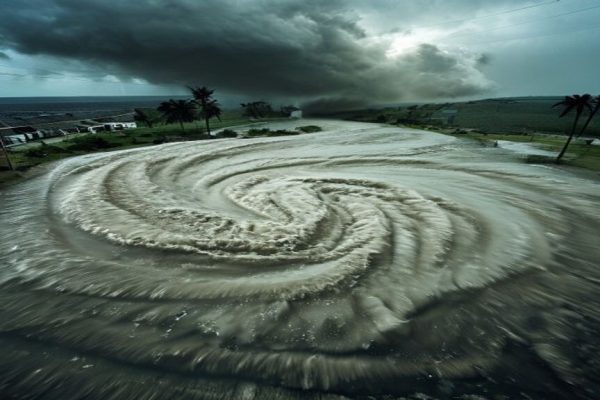
The Bhola cyclone, one of the deadliest tropical cyclones in recorded history, made landfall on November 12, 1970, in what was then East Pakistan. The storm brought with it maximum sustained wind speeds of 130 miles per hour (205 kilometers per hour) and a 35-foot (10.6 meter) storm surge, resulting in catastrophic destruction and loss of life.
The cyclone’s impact was felt across the entire region, with the city of Bhola being the hardest hit. The official death toll stood at over 500,000 people, although some estimates put the number of fatalities as high as 1 million. The storm also left millions without access to basic necessities like food, water, and shelter.
The Aftermath: A Catalyst for Modern Weather Forecasting
The Bhola cyclone served as a stark reminder of the devastating consequences of natural disasters. In the aftermath of the storm, the international community came together to provide aid and support to the affected region. This collective response led to significant improvements in emergency preparedness, disaster response, and weather forecasting.
The Bhola cyclone also highlighted the importance of accurate and timely weather forecasting. The storm’s trajectory and intensity were not accurately predicted by the available weather forecasting models of the time, leading to a significant number of casualties. In response, the development of more sophisticated weather forecasting models and the establishment of the Tropical Cyclone Warning Center (TCWC) in Bangladesh in 1978 were crucial steps taken to mitigate the risks associated with such disasters.
Advancements in Weather Forecasting: The Bhola Cyclone’s Legacy
The Bhola cyclone’s impact on weather forecasting has been profound. Modern weather forecasting techniques have made significant strides in predicting the trajectory and intensity of tropical cyclones. The use of advanced computer models, satellite imaging, and radar technology has enabled meteorologists to provide more accurate and timely warnings to affected regions.
Some of the key advancements include:
- Improved computer models: Modern weather forecasting models like the Global Forecast System (GFS) and the European Centre for Medium-Range Weather Forecasts (ECMWF) model provide more accurate predictions of tropical cyclone trajectories and intensities.
- Satellite imaging: The use of satellite imagery has significantly improved the detection and tracking of tropical cyclones, allowing for more timely warnings to be issued.
- Radar technology: Doppler radar and other advanced radar systems have enabled meteorologists to track the movement and intensity of tropical cyclones in greater detail.
- Early warning systems: The establishment of early warning systems like the Indian Meteorological Department’s (IMD) Cyclone Warning System has helped reduce the number of casualties associated with tropical cyclones.
In conclusion, the Bhola cyclone’s impact on weather forecasting has been transformative. While the storm itself was a devastating tragedy, it served as a catalyst for significant advancements in the field of weather forecasting. Today, we have the tools and knowledge to predict and prepare for such disasters, saving countless lives and mitigating the impacts of these events.
The legacy of the Bhola cyclone serves as a reminder of the importance of continued investment in weather forecasting and disaster preparedness. As we move forward, it is essential that we build on the progress made and continue to develop and refine our weather forecasting capabilities to protect communities around the world from the impacts of natural disasters.






Leave a Reply