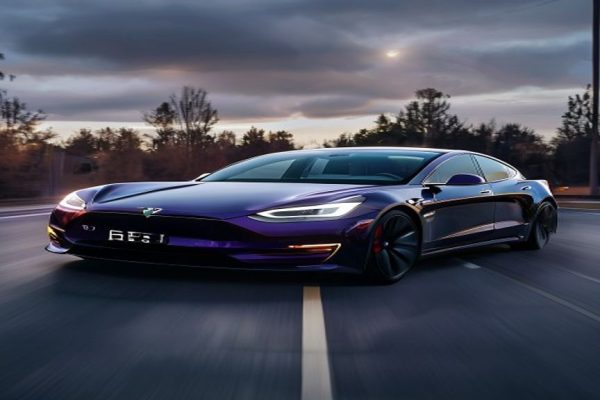
Tesla’s Full Self-Driving (FSD) Update Delayed for HW3 Cars
Tesla’s ambitious push towards autonomous driving has hit a roadblock, at least for its cars equipped with Hardware 3 (HW3) technology. In a move that may disappoint some Tesla owners, the company has announced that its Full Self-Driving (FSD) update will not be available for unsupervised use on HW3 cars.
The news, first reported by Jay Peters, comes as a setback for Tesla’s efforts to roll out its advanced driver-assistance systems (ADAS) to more vehicles. While the company has made significant strides in the development of FSD, the delay highlights the complexities and challenges associated with autonomous driving technology.
The Background: Tesla’s Autonomous Driving Efforts
Tesla has been at the forefront of the autonomous driving revolution, with its FSD technology aiming to enable vehicles to navigate roads and traffic without human intervention. The company has been testing its ADAS on public roads, with some owners even reporting instances of FSD successfully taking control of their vehicles.
However, the development of FSD has not been without its challenges. Tesla has faced numerous regulatory hurdles, with many governments imposing strict guidelines and testing requirements for autonomous vehicles. Additionally, the company has had to address concerns about the safety and reliability of its ADAS, particularly in situations where human intervention is not possible.
The Reason Behind the Delay: Safety and Regulatory Concerns
So, why has Tesla delayed the FSD update for HW3 cars? According to industry experts, the company is likely prioritizing safety and regulatory compliance over the desire to roll out its advanced technology as quickly as possible.
With the increasing number of autonomous vehicles on the road, regulatory bodies are placing greater emphasis on ensuring the safety and reliability of these vehicles. Tesla, like other companies in the space, is likely working closely with regulators to address these concerns and ensure that its ADAS meets or exceeds industry standards.
Furthermore, the delay may also be a reflection of the complexities associated with developing and testing autonomous driving technology. Tesla has been working on FSD for several years, and the company may be taking a cautious approach to ensure that its technology is robust and reliable before rolling it out to a wider audience.
What’s Next for Tesla’s Autonomous Driving Efforts?
So, what does this delay mean for Tesla’s autonomous driving efforts? While the company’s FSD update may be delayed for HW3 cars, it’s unlikely to impact its overall strategy for developing and deploying ADAS.
Tesla continues to invest heavily in autonomous driving research and development, with the company’s CEO, Elon Musk, frequently touting the potential of FSD to revolutionize the transportation industry. With the company’s vast resources and expertise, it’s likely that Tesla will continue to push the boundaries of autonomous driving technology, even if the timeline for its roll-out is extended.
As the autonomous driving industry continues to evolve, one thing is clear: Tesla’s delay in rolling out FSD for HW3 cars is just a minor setback in the company’s long-term efforts to revolutionize transportation. With its commitment to safety, regulatory compliance, and innovation, Tesla remains a leader in the development of autonomous driving technology.
Key Points:
- Tesla’s Full Self-Driving (FSD) update will not be available for unsupervised use on HW3 cars.
- The delay is likely due to safety and regulatory concerns.
- Tesla continues to invest heavily in autonomous driving research and development.
- The company’s commitment to safety, regulatory compliance, and innovation remains unchanged.
This article has been updated to reflect the latest developments in the autonomous driving industry. For the latest news and updates, follow us on social media or sign up for our newsletter.






Leave a Reply