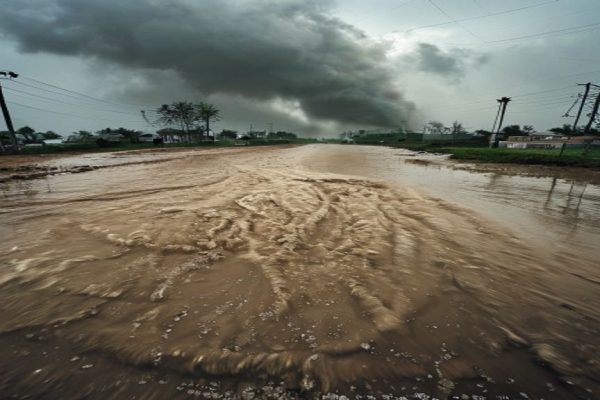
Bhola Cyclone: A Storm that Shaped the Course of Bangladesh’s History
The Bhola cyclone, which made landfall on November 12, 1970, was one of the deadliest tropical cyclones in recorded history. The storm’s impact was felt not only in terms of the sheer number of lives lost but also in the profound effects it had on the politics, economy, and social fabric of the region.
The Storm that Changed the Course of History
The Bhola cyclone was a Category 4 storm with maximum sustained wind speeds of 130 miles per hour (205 kilometers per hour). The storm surge, which was over 35 feet (10.6 meters) high, inundated the low-lying areas of the Ganges Delta, causing widespread destruction and loss of life. The official death toll was estimated to be around 500,000, although some estimates put the number of fatalities as high as 1 million.
The Bhola cyclone was a turning point in Bangladesh’s struggle for independence. The storm struck just a few months before the country’s liberation war, which began on March 26, 1971. The cyclone’s devastating impact further fueled the desire for independence among the Bengali people, who were already reeling from the economic and social injustices inflicted upon them by the Pakistani government.
A Nation in Mourning
The aftermath of the Bhola cyclone was marked by a massive relief effort, with aid pouring in from around the world. However, the scale of the disaster was so massive that the relief efforts were often hampered by the sheer number of people affected. Many families were left without shelter, food, or clean water, leading to a humanitarian crisis of epic proportions.
The Bhola cyclone also highlighted the vulnerability of the country’s infrastructure to natural disasters. The storm exposed the country’s lack of preparedness for such disasters, which would serve as a wake-up call for the government to invest in disaster risk reduction measures.
Lessons Learned and Future Implications
The Bhola cyclone was a traumatic event that left an indelible mark on the psyche of the Bangladeshi people. The storm served as a stark reminder of the importance of disaster preparedness and the need for a robust early warning system. The government has since taken steps to improve its disaster management capabilities, including the establishment of a dedicated disaster management agency.
Today, Bangladesh is considered one of the most disaster-prone countries in the world. However, the country has also made significant strides in disaster risk reduction, including the development of a national cyclone preparedness plan and the establishment of a cyclone warning system.
The Bhola cyclone may have been a devastating event, but it has also taught the country valuable lessons that will help it mitigate the impacts of future disasters. As Bangladesh continues to grow and develop, it is crucial that the country remains vigilant and proactive in its approach to disaster risk reduction.
Key Points
- The Bhola cyclone was a Category 4 storm that made landfall on November 12, 1970.
- The storm killed an estimated 500,000 people, making it one of the deadliest tropical cyclones in recorded history.
- The Bhola cyclone was a turning point in Bangladesh’s struggle for independence.
- The storm highlighted the vulnerability of Bangladesh’s infrastructure to natural disasters.
- The government has since taken steps to improve its disaster management capabilities.






Leave a Reply