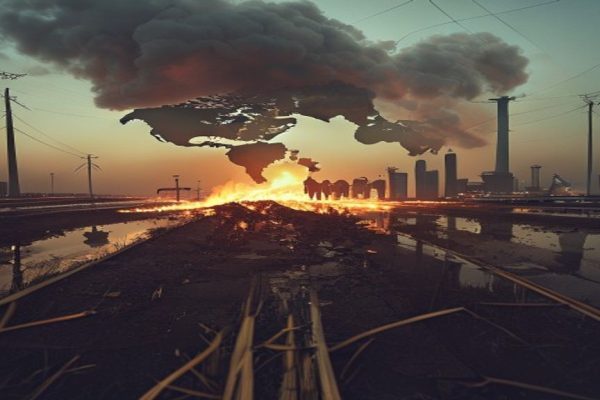
Global Energy Crisis Looms as Middle East Conflict and Extreme Weather Take Toll
The world is facing a looming energy crisis, with rising utility bills and higher oil and gas prices becoming a growing concern for many people. The conflict in the Middle East and the increasing cost of protecting utility infrastructure from extreme weather are two major factors contributing to this crisis.
Conflict in the Middle East: A Major Driver of the Energy Crisis
The ongoing conflict in the Middle East, particularly in Ukraine and the Middle East, has sent shockwaves through the global energy market. The disruption of oil and gas supplies has led to a sharp increase in prices, making it even more difficult for people to afford their energy bills. The conflict has also led to a significant reduction in the production of oil and gas, exacerbating the shortage and driving up prices further.
The impact of the conflict on the energy market cannot be overstated. The International Energy Agency (IEA) has warned that the global energy supply is under increasing pressure, with the potential for shortages and price spikes. The IEA has also highlighted the need for immediate action to address the crisis, including increased investment in renewable energy and improved energy efficiency.
Extreme Weather: A Growing Threat to Energy Infrastructure
Extreme weather events, such as hurricanes, wildfires, and floods, are becoming more frequent and intense due to climate change. These events pose a significant threat to energy infrastructure, including power plants, transmission lines, and distribution networks. When extreme weather strikes, it can cause widespread power outages, disrupt energy supplies, and drive up energy prices.
The cost of protecting energy infrastructure from extreme weather is significant. According to a report by the National Association of Regulatory Utility Commissioners (NARUC), the cost of protecting energy infrastructure from extreme weather events is estimated to be in the billions of dollars. This cost is passed on to consumers in the form of higher energy bills, making it even more difficult for people to afford their energy needs.
The Future of Energy: A Shift Towards Renewables
The energy crisis presents an opportunity for a shift towards renewable energy sources, such as solar and wind power. Renewable energy is becoming increasingly cost-competitive with fossil fuels, making it an attractive option for countries and businesses looking to reduce their reliance on finite resources.
The transition to renewable energy will require significant investment in new infrastructure, including solar panels, wind turbines, and energy storage systems. However, the long-term benefits of renewable energy, including reduced greenhouse gas emissions and improved energy security, make it a worthwhile investment.
- The global energy crisis is driven by a combination of factors, including conflict in the Middle East and extreme weather events.
- The conflict in the Middle East has disrupted oil and gas supplies, leading to a sharp increase in prices.
- Extreme weather events pose a significant threat to energy infrastructure, causing widespread power outages and driving up energy prices.
- The cost of protecting energy infrastructure from extreme weather is significant, with billions of dollars spent each year.
- The energy crisis presents an opportunity for a shift towards renewable energy sources, such as solar and wind power.
In conclusion, the global energy crisis presents a significant challenge for countries and businesses around the world. The conflict in the Middle East and extreme weather events are driving up energy prices and putting pressure on energy supplies. However, the crisis also presents an opportunity for a shift towards renewable energy sources, which can provide a more sustainable and secure energy future.
The transition to renewable energy will require significant investment and effort, but the long-term benefits make it a worthwhile investment. As the world continues to grapple with the energy crisis, it is essential to prioritize the development of renewable energy sources and improve energy efficiency to ensure a more sustainable energy future.






Leave a Reply