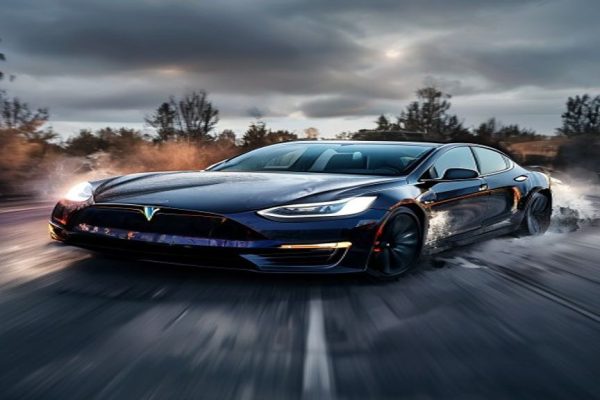
Tesla Model 3 Driver Dies in High-Speed Crash, Raising Concerns About Autopilot Safety
The recent death of a Tesla Model 3 driver in a high-speed crash has sent shockwaves through the automotive industry, highlighting concerns about the safety of the company’s Autopilot technology. According to reports, the driver had the accelerator pressed all the way to 100% at the time of the crash, raising questions about whether the vehicle’s advanced driver-assistance system (ADAS) was functioning properly.
Background on Tesla’s Autopilot Technology
Tesla’s Autopilot system is a Level 2 ADAS that uses a combination of cameras, radar, and ultrasonic sensors to assist with steering, acceleration, and braking. The system is designed to reduce driver workload and improve safety on the road, but it has been the subject of controversy in the past.
In 2016, the National Highway Traffic Safety Administration (NHTSA) opened an investigation into a fatal crash involving a Tesla Model S that was operating on Autopilot. The investigation found that the system had been functioning properly at the time of the crash, but it also raised concerns about the limitations of the technology.
Since then, several other high-profile crashes have involved Teslas operating on Autopilot, leading to increased scrutiny of the company’s safety record. In 2020, the NHTSA opened another investigation into a fatal crash involving a Tesla Model 3 that was operating on Autopilot.
Key Points to Consider
- According to Tesla, the driver had the accelerator pressed all the way to 100% at the time of the crash.
- The cause of the crash is still under investigation, but it is unclear whether the Autopilot system was functioning properly.
- Tesla has a history of controversy surrounding its Autopilot technology, with several high-profile crashes involving Teslas operating on the system.
- The NHTSA has opened several investigations into crashes involving Teslas operating on Autopilot, highlighting concerns about the safety of the technology.
- Experts say that the incident highlights the need for greater transparency and accountability in the development and deployment of autonomous vehicle technology.
Future Implications for Autonomous Vehicle Technology
The recent crash involving a Tesla Model 3 has raised concerns about the safety of autonomous vehicle technology and the need for greater transparency and accountability in its development and deployment.
As the industry continues to move towards more advanced forms of autonomous driving, it is clear that there are significant challenges to be addressed.
Experts say that the key to overcoming these challenges lies in the development of more robust and reliable ADAS systems, as well as greater transparency and accountability in their deployment.
Ultimately, the future of autonomous vehicle technology will depend on our ability to balance the benefits of increased safety and efficiency with the risks associated with new and untested technologies.
In the wake of the recent crash, Tesla has faced renewed scrutiny about the safety of its Autopilot technology. While the company maintains that its system is safe and reliable, the incident has highlighted the need for greater transparency and accountability in the development and deployment of autonomous vehicle technology.
As the industry continues to evolve, it is clear that there will be significant challenges to overcome, but with the right approach and a commitment to safety and transparency, the potential benefits of autonomous vehicle technology can be realized.






Leave a Reply