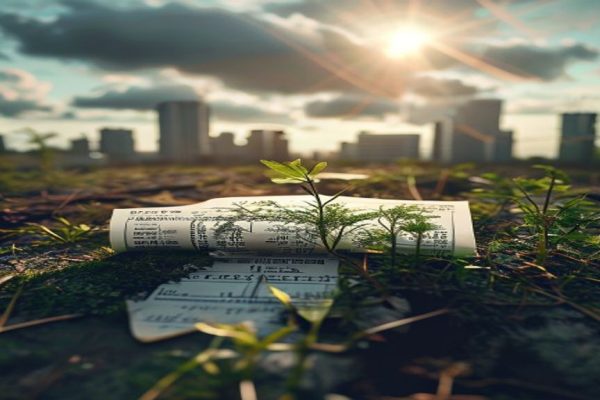
The Growing Concerns of Climate Change
The world is facing an unprecedented crisis, with the effects of climate change becoming increasingly apparent. Rising temperatures, more frequent natural disasters, and unpredictable weather patterns are all symptoms of a larger problem. One of the most pressing concerns is the impact of carbon emissions on the environment.
The Debt to Future Generations
According to some experts, the world’s largest carbon emitters owe a significant debt to future generations. This debt is not just a moral obligation but also a financial one. The negative impacts of climate change, such as sea-level rise, more frequent natural disasters, and changes in weather patterns, have severe economic consequences. The question is, can we quantify this debt?
The Economics of Climate Change
The economics of climate change is a complex topic, with many factors to consider. One way to approach this problem is to look at the concept of ‘carbon debt.’ This refers to the amount of money that would be needed to restore the planet to its pre-industrial state. Some estimates suggest that this debt could be as high as $1 trillion. However, this number is likely an underestimate, as it does not take into account the long-term effects of climate change.
The financial burden of climate change is not just limited to the cost of restoration. Climate-related disasters, such as hurricanes, wildfires, and droughts, have severe economic consequences. In 2020, the economic losses from climate-related disasters reached $343 billion, making it one of the costliest years on record.
The True Cost of Climate Change
So, what is the true cost of climate change? While it is difficult to put a precise figure on it, experts estimate that the total economic losses from climate change could be as high as $10 trillion by 2050. This number is staggering, and it highlights the need for immediate action to mitigate the effects of climate change.
The good news is that there are many solutions available to reduce our carbon footprint and mitigate the effects of climate change. Transitioning to renewable energy sources, increasing energy efficiency, and implementing sustainable land-use practices are all effective ways to reduce our carbon debt.
Key Points to Consider
- The world’s largest carbon emitters owe a significant debt to future generations.
- The financial burden of climate change is estimated to be in the trillions of dollars.
- The total economic losses from climate change could be as high as $10 trillion by 2050.
- There are many solutions available to reduce our carbon footprint and mitigate the effects of climate change.
In conclusion, the debt to future generations is a pressing concern that requires immediate attention. By understanding the true cost of climate change, we can take the necessary steps to mitigate its effects and ensure a sustainable future for generations to come.
As the world’s largest carbon emitters, we have a responsibility to act. We must work together to reduce our carbon footprint, transition to renewable energy sources, and implement sustainable land-use practices. The future of our planet depends on it.






Leave a Reply