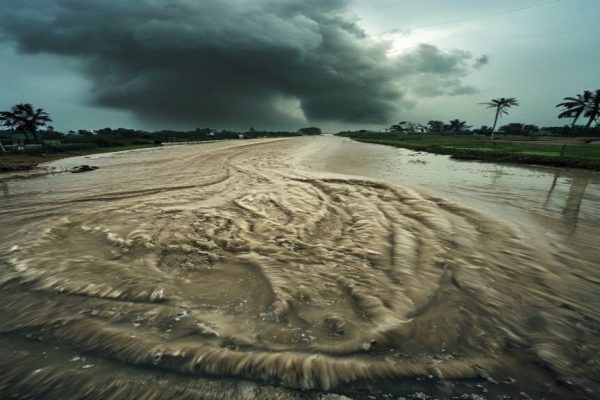
A Catastrophic Storm that Unleashed Chaos and Destruction
The Bhola cyclone, one of the deadliest tropical cyclones in history, struck the coast of East Pakistan on November 12, 1970. The storm made landfall at approximately 8 PM local time, bringing with it maximum sustained winds of 130 miles per hour (205 kilometers per hour) and a massive storm surge that would forever alter the course of Bangladesh’s history.
Unprecedented Destruction and Loss of Life
The cyclone’s impact was catastrophic, with the storm surge inundating the low-lying areas of the Ganges Delta, causing widespread destruction and claiming an estimated 250,000 to 500,000 lives. The exact death toll remains uncertain, but the sheer scale of the disaster is undeniable. The Bhola cyclone is considered one of the deadliest tropical cyclones in recorded history, rivaling the Great Galveston Hurricane of 1900 and the 1931 China floods.
The cyclone’s fury was exacerbated by the fact that it coincided with the country’s National Assembly elections, which were held on December 7, 1970. The Bhola cyclone made it difficult for people to vote, and the subsequent disaster led to a change in the country’s leadership. The cyclone’s devastating impact contributed to the country’s eventual independence from Pakistan in 1971, as the people of East Pakistan, now Bangladesh, rose up against their oppressors.
A Turning Point in Bangladesh’s History
The Bhola cyclone marked a turning point in Bangladesh’s history, serving as a catalyst for the country’s struggle for independence. The cyclone’s aftermath highlighted the country’s vulnerability to natural disasters and the need for a more robust disaster management system. In the years that followed, Bangladesh made significant strides in disaster preparedness and response, including the establishment of the Bangladesh Meteorological Department and the development of early warning systems.
Today, Bangladesh remains one of the most vulnerable countries to natural disasters, including cyclones, floods, and landslides. However, the country has made significant progress in disaster risk reduction and management, with a strong focus on community-based approaches and climate-resilient infrastructure development.
Lessons Learned and Future Implications
The Bhola cyclone serves as a poignant reminder of the importance of disaster preparedness and response. The cyclone’s impact was exacerbated by a combination of factors, including poor infrastructure, inadequate warning systems, and a lack of disaster preparedness. In the years since, Bangladesh has learned valuable lessons from the Bhola cyclone, including the importance of early warning systems, evacuation planning, and community-based disaster risk reduction.
As the world grapples with the challenges of climate change, the Bhola cyclone serves as a stark reminder of the importance of disaster risk reduction and management. The cyclone’s impact was exacerbated by climate change, which is projected to increase the frequency and intensity of extreme weather events in the coming years.
The Bhola cyclone’s legacy extends beyond the country’s borders, serving as a cautionary tale for communities around the world. As we continue to grapple with the challenges of climate change, the Bhola cyclone serves as a reminder of the importance of disaster preparedness, resilience, and community-based approaches to disaster risk reduction.
Key points to remember:
- The Bhola cyclone was one of the deadliest tropical cyclones in history, claiming an estimated 250,000 to 500,000 lives.
- The cyclone’s impact was exacerbated by a combination of factors, including poor infrastructure, inadequate warning systems, and a lack of disaster preparedness.
- The Bhola cyclone served as a catalyst for Bangladesh’s struggle for independence from Pakistan in 1971.
- The cyclone’s legacy extends beyond the country’s borders, serving as a cautionary tale for communities around the world.






Leave a Reply