Formula 1’s New Era Brings Exciting Racing, but at What Cost?
Formula 1, the world’s premier open-wheel racing championship, has entered a new era with the introduction of the 2022 regulations. The changes aim to increase overtaking, improve safety, and enhance overall racing spectacle. However, the sport’s governing body and stakeholders are now grappling with the unintended consequences of these reforms.
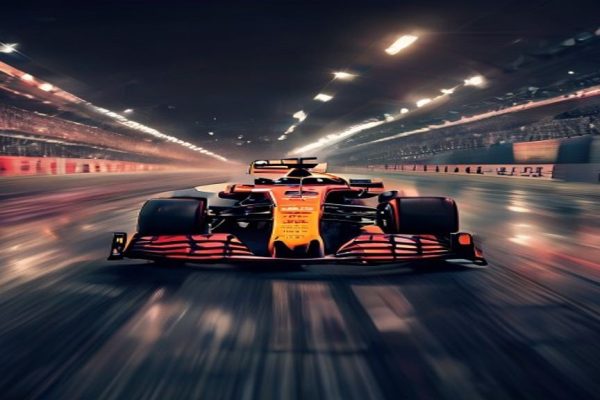
The debate centers around the perceived superficiality of the new cars’ design and the racing they produce. While the cars are visually stunning, critics argue that the emphasis on downforce and aerodynamics has led to a homogenized look and a lack of differentiation between teams. This, in turn, has resulted in a racing style that prioritizes qualifying performance over actual on-track battles.
F1’s bosses are caught in the middle of this debate, recognising the superficial appeal of the back-and-forth racing, but concerned about what the new cars are doing to the sport they grew up loving. The sport’s governing body, the FIA, has acknowledged the issue and is working to address it through rule changes and technical directives.
The Impact on the Sport’s Identity
The new regulations have fundamentally altered the character of Formula 1. The sport’s DNA is rooted in its history, with iconic cars like the Lotus 49 and Ferrari 312T revered for their unique designs and handling characteristics. However, the current crop of cars, with their sleek, aerodynamic profiles, bear little resemblance to their predecessors.
This shift in design philosophy has led to a loss of character and individuality among the teams. The sport’s fans, who have grown accustomed to the unique personalities and styles of each team, are now witnessing a homogenization of the grid. This has sparked concerns that the sport is sacrificing its soul in pursuit of a more sanitized, commercially viable product.
The Future of Formula 1
As the sport navigates this challenging period, it is essential to consider the long-term implications of the new regulations. The FIA and the teams must strike a balance between creating a visually appealing product and preserving the sport’s rich heritage. Any further rule changes or technical developments must prioritize the health and diversity of the sport.
A possible solution could be to introduce more complex and nuanced technical regulations, which would allow teams to express their creativity and individuality. This could include the reintroduction of more mechanical components, such as traditional gearboxes or more sophisticated suspension systems, which would enable teams to differentiate themselves and create more interesting on-track battles.
- The FIA and the teams must work together to address the issues surrounding the new cars’ design and racing style.
- A balance must be struck between creating a visually appealing product and preserving the sport’s rich heritage.
- The reintroduction of more mechanical components could help to create more interesting on-track battles and allow teams to express their creativity.
In conclusion, Formula 1’s new era has sparked concerns over the superficial appeal of the back-and-forth racing and the sport’s future. While the sport’s governing body and stakeholders work to address these issues, it is essential to prioritize the health and diversity of the sport. By doing so, Formula 1 can emerge from this challenging period as a stronger, more resilient, and more exciting championship.
The future of Formula 1 hangs in the balance, and it is up to the sport’s leaders to ensure that the new era brings about positive change and a renewed sense of purpose.






Leave a Reply