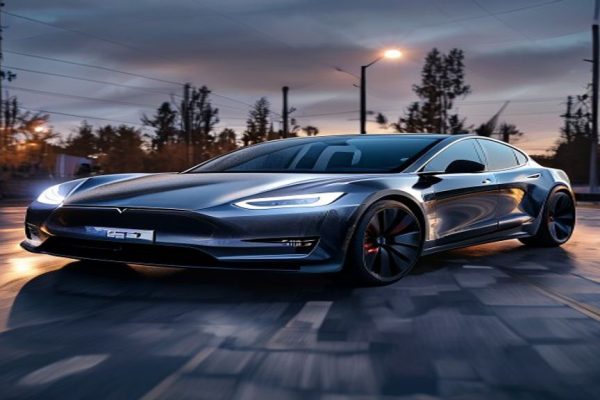
Tesla HW3: Unsustainable FSD Update on Hold Amid Safety Concerns
The recent announcement by Tesla has sent shockwaves throughout the electric vehicle (EV) community, sparking intense debate and speculation about the future of Full Self-Driving (FSD) technology. According to sources close to the matter, Tesla cars running on Hardware 3 (HW3) will not be receiving the unsupervised FSD update, at least not in the immediate future.
Background on FSD and HW3
For those unfamiliar with the topic, Full Self-Driving (FSD) technology is a cutting-edge feature developed by Tesla aimed at enabling its vehicles to navigate complex road scenarios without human intervention. HW3, the latest hardware iteration, was designed to support more advanced features, including FSD. However, the development and implementation of FSD have been plagued by controversy, with many experts raising concerns about safety, reliability, and regulatory compliance.
The Reason Behind the Delay
The main reason behind the delay in rolling out the unsupervised FSD update to HW3-equipped vehicles is the safety concerns associated with the technology. According to industry insiders, Tesla’s FSD system is still in its infancy, and the company’s testing and validation procedures have not been robust enough to guarantee a safe and reliable experience for drivers and passengers. While Tesla has made significant progress in developing FSD, the technology is not yet ready for widespread adoption, particularly in situations that require high levels of autonomy.
Consequences and Future Implications
The delay in the FSD update has significant implications for Tesla’s business and its customers. With many owners eagerly awaiting the feature, the company faces a backlash from enthusiasts who feel they have been misled about the technology’s capabilities. Moreover, the delay could impact Tesla’s competitiveness in the EV market, where features like FSD are increasingly becoming a differentiator.
- Unsupervised FSD update on hold for HW3-equipped vehicles.
- Safety concerns and regulatory compliance issues.
- Delays and setbacks for Tesla’s FSD development.
- Impact on Tesla’s business and competitiveness.
- Future implications for the EV market and autonomous driving technology.
What’s Next for Tesla and FSD?
While the exact timeline for the FSD update is uncertain, industry experts predict that Tesla will continue to refine and improve its technology. The company is likely to conduct more extensive testing and validation procedures to address safety concerns and regulatory compliance issues. In the meantime, Tesla will need to communicate effectively with its customers and stakeholders to manage expectations and maintain trust.
As the world waits with bated breath for the next development in FSD technology, one thing is clear: the future of autonomous driving is complex, multifaceted, and fraught with challenges. While Tesla’s FSD delay is a setback, it serves as a reminder of the need for caution, rigorous testing, and collaboration between industry stakeholders to ensure the safe and responsible development of this transformative technology.






Leave a Reply