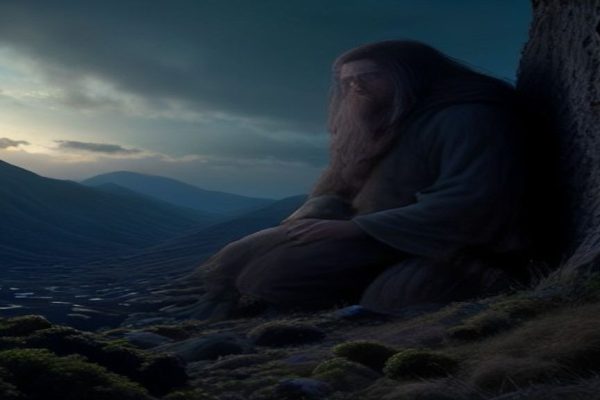
The Unseen Giant: Animation’s Enduring Challenge in Hollywood
Cinema, in its most traditional sense, has long been associated with live-action filmmaking, with many viewing animation as a secondary or even inferior form of storytelling. Despite being a $270 billion industry, animation remains a redheaded stepchild of Hollywood, struggling to gain the same level of respect and recognition as its live-action counterparts.
A Brief History of Animation’s Struggle for Respect
For decades, animation has been relegated to the fringes of the film industry, with many considering it a niche market or a genre for children’s entertainment. This perception has been perpetuated by the Hollywood establishment, with many industry professionals viewing animation as a secondary concern or even a distraction from more “serious” forms of storytelling.
However, the industry has a rich and storied history, with pioneers such as Walt Disney, Hayao Miyazaki, and stop-motion master Ray Harryhausen pushing the boundaries of what is possible with animation. Despite this, animation has struggled to gain the same level of recognition as live-action filmmaking, with many of its greatest works being overlooked or undervalued by the Academy and other industry institutions.
The Industry’s Growth and Challenges
Today, animation is a global industry, with studios producing films, TV shows, and other content for audiences around the world. The industry has grown exponentially in recent years, with many major studios investing heavily in animation production and distribution.
However, despite this growth, animation still faces many challenges, including lack of funding, limited opportunities for advancement, and a persistent perception that animation is somehow less “artistic” or “serious” than live-action filmmaking.
- Lack of funding: Animation requires significant investment, with many projects struggling to secure funding due to high production costs and uncertain returns.
- Limited opportunities for advancement: The animation industry is highly competitive, with many professionals facing limited opportunities for advancement and career growth.
- Persistent perception: Despite the industry’s growth and success, many in the film industry still view animation as a secondary or inferior form of storytelling.
The Future of Animation in Hollywood
So, what does the future hold for animation in Hollywood? While there are still many challenges to overcome, there are also many reasons to be optimistic.
With the rise of streaming services and the increasing popularity of animation, the industry is facing a period of unprecedented growth and change. Many studios are investing heavily in animation production and distribution, with new technologies and platforms offering new opportunities for creators and audiences alike.
However, the industry must also confront its own challenges and biases, working to break down barriers and promote greater diversity and inclusion in animation production and storytelling. By doing so, animation can finally achieve the recognition and respect it deserves, becoming a full-fledged member of the Hollywood community.
As Guillermo del Toro so eloquently put it, “animation is cinema.” It’s time for the industry to start treating it that way.
Image Prompt: A group of animators working together on a project, with a cityscape of Hollywood in the background. The animators are a diverse group, representing different cultures and backgrounds, and are surrounded by sketches, storyboards, and other creative materials. The image should convey a sense of collaboration, creativity, and inclusivity, highlighting the importance of animation in the Hollywood community.






Leave a Reply