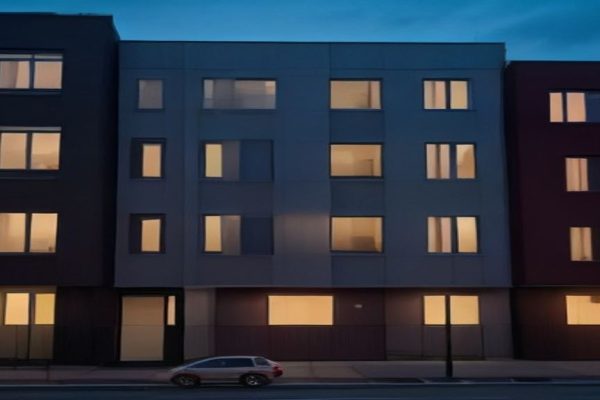
The Unconventional Solution to Housing Affordability
The housing market has long been a subject of concern, with rising prices and limited availability pushing many potential buyers to the sidelines. However, a recent article on Fidelity Digital Assets has sparked debate with an unorthodox claim: that alternative currencies could be the key to unlocking affordable housing.
Understanding the Issue
The root of the housing affordability crisis lies in the conventional use of fiat currencies, which have seen significant inflation over the past decade. As a result, the value of money has decreased, making it increasingly difficult for buyers to secure a mortgage and purchase a home. This has led to a widening gap between housing prices and wages, making it nearly impossible for many to enter the market.
Enter alternative currencies, which promise to sidestep the traditional currency conundrum. Proponents argue that these alternative forms of exchange can provide a more stable and secure way to buy and sell property, potentially breaking the vicious cycle of inflation and housing prices.
The Role of Cryptocurrencies in Housing
Cryptocurrencies, in particular, have gained attention as a potential solution to the housing affordability crisis. By using digital assets like Bitcoin or Ethereum, buyers can bypass the traditional banking system and use a more decentralized, secure form of currency. This not only reduces the risk of inflation but also enables faster and more efficient transactions.
The idea is not entirely new, as some real estate developers have already started experimenting with cryptocurrency-based payment systems. For instance, a Miami-based developer has introduced a new project that allows buyers to purchase properties using Bitcoin. While this may seem like a niche solution, it represents a significant shift in the way we think about housing finance.
Challenges and Controversies
While the idea of alternative currencies in housing is intriguing, it is not without its challenges and controversies. One major concern is the volatility of cryptocurrencies, which can lead to significant price fluctuations. This could make it difficult for buyers to secure a stable mortgage or predict future housing costs.
Another issue is the lack of regulatory clarity surrounding the use of alternative currencies in real estate transactions. As governments and financial institutions begin to take notice, they may impose stricter regulations, potentially limiting the adoption of these new payment systems.
Additionally, there are concerns about the accessibility and equity of alternative currencies. While they may offer a solution for some buyers, they may create new barriers for others, particularly those who do not have access to digital assets or the knowledge to navigate these complex systems.
The Future of Housing Finance
As the debate surrounding alternative currencies in housing continues, it is essential to consider the broader implications for the future of housing finance. If successful, these new payment systems could revolutionize the way we buy and sell property, making it more accessible and affordable for a wider range of people.
However, it is also crucial to acknowledge the challenges and controversies surrounding alternative currencies. By engaging in a nuanced discussion about the benefits and drawbacks, we can work towards creating a more inclusive and equitable housing market that meets the needs of all buyers and sellers.
Key Points:
- The housing affordability crisis is a complex issue that requires innovative solutions.
- Alternative currencies, including cryptocurrencies, offer a potential solution to bypass traditional banking systems and reduce the risk of inflation.
- However, the volatility of cryptocurrencies and lack of regulatory clarity pose significant challenges to their adoption.
- The equity and accessibility of alternative currencies must be carefully considered to avoid creating new barriers for some buyers.
- A nuanced discussion about the benefits and drawbacks of alternative currencies is essential to creating a more inclusive and equitable housing market.
Image Prompt:
A futuristic illustration of a cityscape with a prominent real estate development in the foreground. The building is adorned with a futuristic, glowing façade, and the surrounding area is filled with people using digital devices to interact with the property. In the background, a subtle representation of a blockchain or cryptocurrency network can be seen, symbolizing the innovative use of alternative currencies in housing finance. The overall atmosphere should convey a sense of hope, optimism, and technological advancement.






Leave a Reply