Climate Change Brings Chaos to the Cosmos
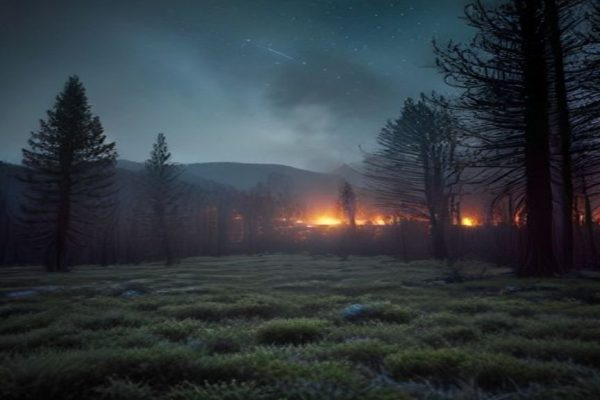
The latest consequence of climate change has left the scientific community stunned: wildfires in Spain have overrun one of the three observatories used by the US National Aeronautics and Space Administration (NASA) to connect with its counterparts in Europe and conduct astronomical research. The observatory, located in the Serra de Llevant mountain range in Mallorca, has been severely damaged, putting a significant portion of NASA’s research at risk.
NASA’s observatories play a crucial role in the international coordination of astronomical research. By connecting with their European counterparts, NASA scientists can pool resources, share data, and collaborate on complex projects that require a global perspective. The loss of one of these observatories will undoubtedly create a significant gap in this global network, hindering NASA’s ability to conduct cutting-edge research and respond to pressing astronomical questions.
A Long History of Climate-Related Disasters
The recent wildfires in Spain are not an isolated incident. Climate change has been wreaking havoc on Earth’s ecosystems, and the consequences are being felt far beyond our planet. Rising temperatures, changing precipitation patterns, and increased frequency of extreme weather events are creating an environment conducive to devastating wildfires, droughts, and other disasters.
The impact of climate change on astronomical research is multifaceted. Not only do wildfires pose a direct threat to observatories, but the resulting air pollution can also compromise the quality of astronomical data. The increased frequency of extreme weather events can also disrupt the delicate equipment and sensitive instruments used in astronomical research.
A Glimmer of Hope: Collaboration and Innovation
While the loss of one observatory is a significant setback, it also highlights the importance of international collaboration and innovation in the face of climate change. NASA and its European counterparts are likely to work together to find alternative solutions, such as relocating research operations or developing more advanced technologies to compensate for the loss.
Moreover, the crisis presents an opportunity for the scientific community to come together and develop more resilient and sustainable solutions for astronomical research. By embracing cutting-edge technologies and innovative strategies, scientists can adapt to the changing climate and continue to push the boundaries of human knowledge.
- NASA’s observatory in Spain has been severely damaged by wildfires, putting a significant portion of the agency’s research at risk.
- The loss of one observatory will create a gap in the global network of astronomical research, hindering scientists’ ability to conduct cutting-edge research and respond to pressing questions.
- Climate change is creating an environment conducive to devastating wildfires, droughts, and other disasters that can compromise astronomical research.
- NASA and its European counterparts will likely work together to find alternative solutions, such as relocating research operations or developing more advanced technologies.
- The crisis presents an opportunity for the scientific community to come together and develop more resilient and sustainable solutions for astronomical research.
A Call to Action: Addressing Climate Change
The recent wildfires in Spain serve as a stark reminder of the pressing need to address climate change. As the scientific community navigates the challenges posed by this crisis, it is essential to remember that the consequences of inaction far outweigh the costs of taking bold action.
By working together, we can create a more resilient and sustainable future for our planet and its inhabitants. It is time to put aside partisan differences and prioritize the well-being of our planet. The fate of our global space observatories – and the scientific discoveries they make possible – depends on it.
The future of astronomical research is uncertain, but one thing is clear: we must take immediate action to address climate change and mitigate its devastating effects. The world is watching, and the stakes are higher than ever before.






Leave a Reply