Autonomous Driving Pioneer Xinzhou Wu Sheds Light on China’s Ambitions
Xinzhou Wu, a prominent figure in the field of autonomous driving, has sparked controversy and interest with his recent statements on the role of lidar technology in Chinese cars. As the global automotive industry continues to grapple with the complexities of autonomous mobility, Wu’s insights offer valuable insights into China’s plans for the future.
The Lidar Debate: Is it Really Necessary?
Xinzhou Wu’s assertion that lidar technology may not be as crucial as previously thought has sent shockwaves through the industry. Lidar, or Light Detection and Ranging, is a key component in many autonomous driving systems, responsible for generating high-resolution 3D maps of the environment. However, Wu’s comments suggest that Chinese carmakers may be reevaluating the need for this expensive and complex technology.
Wu’s reasoning centers around the idea that lidar can be a hindrance to the widespread adoption of autonomous vehicles. The cost, weight, and power requirements of lidar systems can be significant barriers to entry, especially for smaller manufacturers. By eliminating or reducing the reliance on lidar, Chinese carmakers may be able to create more affordable and accessible autonomous vehicles.
Autonomy in China: A Different Approach
China’s approach to autonomous driving is distinct from that of other countries. With a focus on mass-market adoption and rapid development, Chinese carmakers are pushing the boundaries of what is possible. Xinzhou Wu’s comments highlight the country’s determination to carve out its own path in the autonomous driving space.
China’s unique regulatory environment and investment in infrastructure have created a fertile ground for innovation. The government’s New Generation Artificial Intelligence Development Plan, launched in 2017, aimed to establish China as a global leader in AI research and development. This plan has led to significant investment in autonomous driving technologies, with many Chinese carmakers already testing and deploying Level 3 and Level 4 autonomous vehicles on public roads.
Implications for the Global Industry
The global automotive industry is closely watching China’s advancements in autonomous driving. Xinzhou Wu’s comments on lidar technology and China’s approach to autonomy have significant implications for manufacturers worldwide.
- Rethinking Lidar:** Wu’s statements may prompt other carmakers to reassess their reliance on lidar technology. This could lead to a shift towards more cost-effective and efficient solutions.
- Competition in the AI Space:** China’s investment in AI research and development is set to increase competition in the global market. Chinese carmakers may emerge as major players in the autonomous driving industry, challenging established leaders.
- Regulatory Frameworks:** The regulatory environment in China is often more lenient than in other countries. This may lead to a divergence in standards and regulations, creating challenges for international manufacturers.
As the global automotive industry continues to evolve, Xinzhou Wu’s comments serve as a reminder of the complexities and challenges that lie ahead. The future of autonomous driving will be shaped by a combination of technological advancements, regulatory frameworks, and market forces. One thing is certain – China’s ambitions in this space will be worth watching.
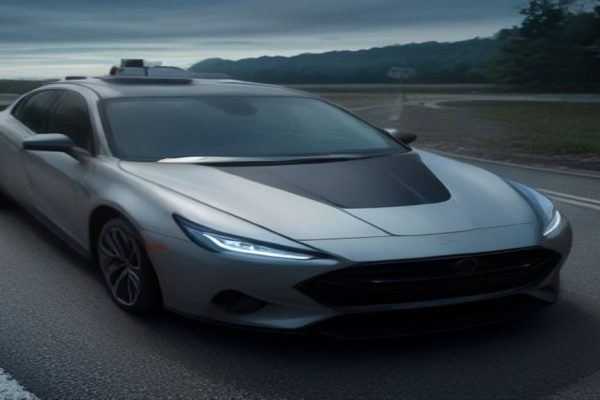
Image Prompt: A futuristic illustration of a Chinese autonomous vehicle cruising down a highway, with a subtle cityscape in the background. The vehicle is highlighted in a sleek, neon-lit design, with a focus on the advanced sensors and lidar technology that enable its autonomous capabilities. The image should convey a sense of innovation, progress, and the intersection of technology and society.
Category: Technology






Leave a Reply