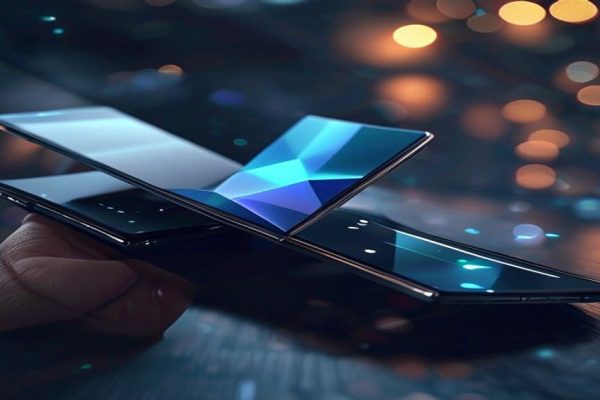
The Emergence of Foldables: A New Era in Mobile Design
The recent advancements in foldable phone technology have sent shockwaves throughout the tech industry, pushing the boundaries of what is possible with modern smartphones. With the first foldable phones hitting the market a few years ago, it was clear that this new form factor was going to change the game. However, the latest developments take the concept to a whole new level, redefining the way we interact with our mobile devices.
The Evolution of Foldables: From Concept to Reality
The idea of foldable phones dates back to the early 2010s, but it wasn’t until 2019 that the first prototypes began to emerge. Samsung’s Galaxy Fold and Huawei’s Mate X were the first commercially available foldable phones, but they were plagued by issues such as durability and display quality. Since then, manufacturers have been working tirelessly to perfect the design, and the results are nothing short of remarkable.
One of the key challenges facing foldable phone manufacturers has been the development of a display that can withstand repeated folding and unfolding without compromising on image quality. However, with advancements in materials science and display technology, this issue has been largely resolved. The latest foldable phones feature high-resolution displays that can be folded and unfolded multiple times without any noticeable degradation.
The Benefits of Foldables: Why This Technology Matters
So, what exactly makes foldable phones so special? For one, they offer a unique combination of portability and usability that is unmatched by traditional smartphones. With a foldable phone, you can have a compact device that can be easily stowed away in a pocket or bag, but still deliver a large-screen experience when you need it. This makes them perfect for tasks such as gaming, video-watching, and multitasking.
Another key benefit of foldables is their versatility. With a foldable phone, you can use it in a variety of modes, from a traditional smartphone to a compact tablet or even a laptop replacement. This flexibility makes them ideal for professionals who need to stay connected and productive on the go.
But what about the environmental impact of foldable phones? As concern for sustainability grows, manufacturers are under increasing pressure to reduce waste and minimize their carbon footprint. Foldable phones can help with this by reducing the need for multiple devices and devices’ accessories.
The Future of Foldables: What’s Next?
As we look to the future, it’s clear that foldable phones are going to play a major role in shaping the tech industry. With advancements in 5G connectivity, artificial intelligence, and augmented reality, the possibilities are endless. We can expect to see new foldable form factors emerge, such as rollable displays and flexible batteries.
However, with great power comes great responsibility. As the demand for foldable phones grows, manufacturers will need to prioritize sustainability and reduce waste. This may involve implementing recycling programs, reducing packaging, and using eco-friendly materials.
In conclusion, the emergence of foldables marks a significant milestone in the evolution of mobile technology. With their unique combination of portability, usability, and versatility, they are set to revolutionize the way we interact with our mobile devices. As we look to the future, it’s clear that foldable phones are going to play a major role in shaping the tech industry.
- Key benefits of foldable phones include portability, usability, and versatility.
- Foldable phones offer a unique combination of a compact device and large-screen experience.
- Manufacturers are working to reduce waste and minimize the environmental impact of foldable phones.
- Advancements in 5G, AI, and AR will shape the future of foldable phones.






Leave a Reply