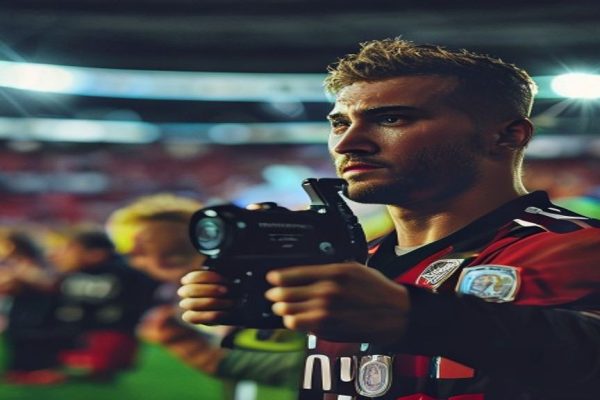
VAR Introduction and Challenges
The Video Assistant Referee (VAR) system was introduced in 2018 to improve the accuracy of refereeing decisions in football. However, its implementation has been marred by controversies, particularly at the World Cup. The tournament has seen several high-profile incidents, including the red card for South Africa’s Themba Zwane for violent conduct in the opening game.
Recent Incidents and Criticisms
The latest controversy involved a referee rejecting a penalty review in a match between two teams. This decision sparked heated debates among fans, coaches, and pundits, highlighting the need for a more effective and transparent VAR system.
The VAR system relies on a team of officials, including the on-field referee, the assistant referee, and the VAR operator in the video room. Each official has a specific role to play in the decision-making process. The VAR operator reviews footage and advises the referee on any potential errors. However, the referee ultimately makes the final decision.
Reasons Behind VAR Controversies
Several factors contribute to VAR controversies. Firstly, the lack of clear guidelines and protocols for VAR decision-making has led to confusion among officials and fans. Secondly, the technology itself is not foolproof, and human error can still occur. Finally, the speed and pressure of the game can lead to rushed decisions, increasing the likelihood of mistakes.
Experts argue that the key to resolving VAR controversies lies in improving communication and transparency. This can be achieved by providing clear explanations for VAR decisions and increasing the use of technology to aid officials in making accurate calls.
Future Implications and Potential Solutions
The VAR system is here to stay, but its continued improvement is crucial for the game’s integrity. To address the challenges, FIFA and other governing bodies must work together to develop more effective guidelines and protocols. Additionally, investing in better technology and providing regular training for officials can help reduce errors and improve the accuracy of VAR decisions.
As the World Cup continues, fans and officials alike will be watching closely to see how VAR performs. The tournament provides a unique opportunity for testing and refining the system, ultimately leading to a better experience for players, coaches, and spectators alike.
- Improved guidelines and protocols for VAR decision-making
- Better technology to aid officials in making accurate calls
- Increased transparency and communication about VAR decisions
Conclusion
The VAR system has the potential to revolutionize the game of football, but its implementation has been plagued by controversies. By addressing the challenges and working towards a more effective and transparent system, FIFA and other governing bodies can ensure that VAR enhances the game, rather than detracting from it.






Leave a Reply