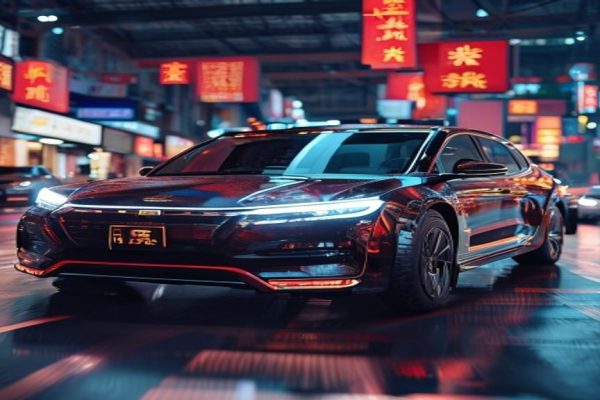
New Rule Sparks Global Concerns Over China-Made Software Vehicles
The recent denial of authorization to a company under a new rule that bans vehicles with software from China has sent shockwaves across the globe. The rule, which is part of a broader effort to limit the influence of Chinese technology in critical sectors, has far-reaching implications for the electric vehicle (EV) industry and international trade.
The ban on vehicles with software from China is seen as a response to growing concerns over the potential risks associated with relying on Chinese technology. With the increasing importance of software in modern vehicles, many countries are taking steps to ensure that their critical infrastructure is not vulnerable to foreign interference.
Background and Context: The Rise of China’s Automotive Industry
China has emerged as a major player in the global automotive industry, with many Chinese companies making significant investments in research and development, manufacturing, and exports. The country’s automotive sector has grown rapidly in recent years, driven by government support and a growing middle class with increasing purchasing power.
However, China’s dominance in the automotive industry has also raised concerns over the country’s reliance on foreign technology, particularly in areas such as software and semiconductors. The Chinese government has been accused of using its companies to acquire sensitive technology and intellectual property, which has led to tensions with other countries.
Impact on the Electric Vehicle Industry
The ban on vehicles with software from China is likely to have significant implications for the EV industry, which is heavily reliant on Chinese technology. Many EV manufacturers, including those from China, use Chinese software and components in their vehicles. The ban could limit the availability of these components, making it more difficult for EV manufacturers to produce vehicles that meet global safety and emissions standards.
Furthermore, the ban could also impact the development of autonomous vehicles, which rely heavily on complex software systems. The restriction on Chinese software could slow down the development of autonomous vehicles, which could have significant implications for the transportation industry and the broader economy.
Future Implications: Trade and Geopolitics
The ban on vehicles with software from China is also likely to have significant implications for international trade and geopolitics. The US-China trade war has already had a significant impact on the global economy, and the ban on Chinese software could exacerbate tensions between the two countries.
The ban could also have implications for other countries that rely heavily on Chinese technology. Countries such as Japan and South Korea, which have significant investments in the automotive industry, may be affected by the ban. The impact on international trade and geopolitics could be significant, making it essential for governments and industry leaders to develop strategies to mitigate the effects of the ban.
Ultimately, the ban on vehicles with software from China highlights the need for countries to develop their own domestic capabilities in critical sectors, such as technology and automotive manufacturing. The future of the EV industry and international trade will depend on how countries respond to this challenge and develop strategies to ensure their continued competitiveness in a rapidly changing global landscape.
Key Points:
- The ban on vehicles with software from China has significant implications for the EV industry and international trade.
- The ban could limit the availability of Chinese software and components, making it more difficult for EV manufacturers to produce vehicles that meet global safety and emissions standards.
- The restriction on Chinese software could slow down the development of autonomous vehicles, which could have significant implications for the transportation industry and the broader economy.
- The ban could exacerbate tensions between the US and China, and have implications for other countries that rely heavily on Chinese technology.
A Call to Action: Developing Domestic Capabilities
The ban on vehicles with software from China is a wake-up call for countries to develop their own domestic capabilities in critical sectors, such as technology and automotive manufacturing. Governments and industry leaders must work together to develop strategies to mitigate the effects of the ban and ensure their continued competitiveness in a rapidly changing global landscape.
This requires significant investments in research and development, education and training, and infrastructure development. It also requires a coordinated effort across industries and governments to develop a shared understanding of the challenges and opportunities presented by the ban.
The future of the EV industry and international trade will depend on how countries respond to this challenge and develop strategies to ensure their continued competitiveness in a rapidly changing global landscape.






Leave a Reply