Sudden Acceleration Incident Raises Questions on Tesla’s Safety Measures
A recent incident involving a Tesla Model 3 driver has raised concerns about the vehicle’s safety features and potential malfunction. According to the manufacturer, the driver had the accelerator pedal pressed to 100% capacity, leading to a rapid acceleration of the vehicle. While the exact circumstances surrounding the incident are still unclear, it has sparked a debate about the reliability of Tesla’s Autopilot system and its potential role in such incidents.
Background and Context
Tesla’s Autopilot system is a semi-autonomous driving feature that uses a combination of sensors, cameras, and radar to assist drivers with steering, braking, and acceleration. While the system has received praise for its capabilities, there have been concerns about its limitations and potential for malfunction. In recent years, there have been several reports of Autopilot-related incidents, including accidents and near-misses.
The recent incident involving the Tesla Model 3 driver is not the first to raise questions about the safety of the vehicle. In 2020, a Tesla Model S driver died in a crash that was attributed to the vehicle’s Autopilot system failing to detect a tractor-trailer crossing the road. The incident led to a number of lawsuits against Tesla, which the company ultimately settled out of court.
Reasons Behind the Incident: Human Error or System Failure?
The exact cause of the recent incident involving the Tesla Model 3 driver is still unclear. However, experts point to a number of potential reasons, including human error and system failure. According to Tesla, the driver had the accelerator pedal pressed to 100% capacity, which could have been a contributing factor to the incident. However, some experts argue that the vehicle’s Autopilot system could have played a role in the incident, particularly if it failed to detect and respond to the driver’s actions.
Another factor that could have contributed to the incident is the lack of clear guidelines and regulations for the use of semi-autonomous driving features. While Tesla provides a number of safety features and warnings, drivers may not always be aware of the limitations and potential risks associated with Autopilot.
Key points to consider:
- Tesla’s Autopilot system has been linked to several incidents, including accidents and near-misses.
- The recent incident involving the Tesla Model 3 driver raises concerns about the safety of the vehicle and its Autopilot system.
- Human error and system failure are potential contributing factors to the incident.
- Lack of clear guidelines and regulations for semi-autonomous driving features may have contributed to the incident.
Future Implications and Recommendations
The recent incident involving the Tesla Model 3 driver highlights the need for greater transparency and accountability in the development and deployment of semi-autonomous driving features. Tesla and other manufacturers must prioritize safety and take steps to mitigate the risks associated with these features.
In terms of recommendations, regulators and manufacturers must work together to establish clear guidelines and regulations for the use of semi-autonomous driving features. This could include the development of standardized testing protocols and the implementation of regular software updates to ensure that vehicles remain safe and reliable.
Additionally, drivers must be made aware of the limitations and potential risks associated with Autopilot and other semi-autonomous driving features. This could involve the provision of clear guidelines and warnings, as well as regular training and education programs to ensure that drivers understand how to use these features safely and effectively.
Finally, the incident highlights the need for greater research and development in the field of autonomous driving. By investing in this area, manufacturers and regulators can work together to create safer, more reliable vehicles that reduce the risk of accidents and improve the overall driving experience.
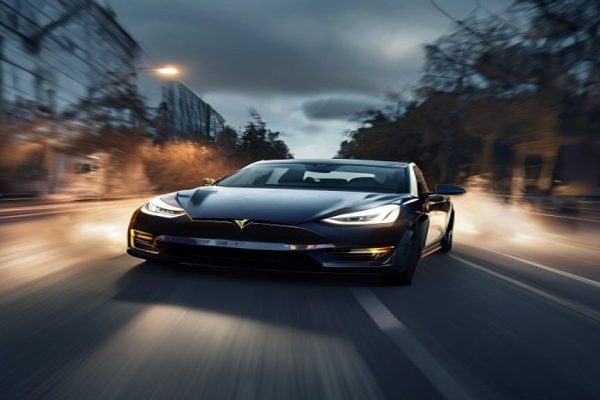
Image prompt: A photo of a Tesla Model 3 driving on a highway, with a blurred background and a focus on the vehicle’s dashboard and controls. The image should convey a sense of speed and movement, while also highlighting the vehicle’s safety features and technology.






Leave a Reply