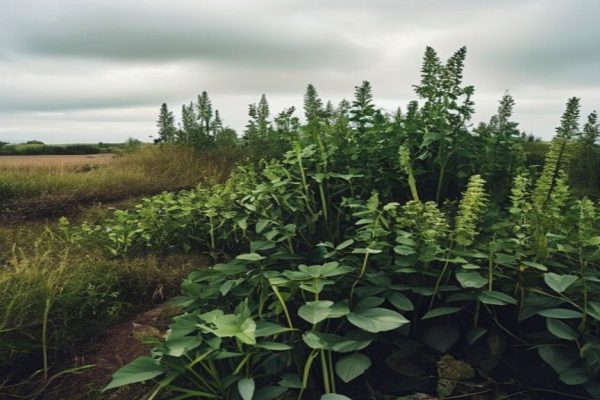
Giant Hogweed Invasion: A Growing Concern in England
The unassuming landscape of England has recently been disrupted by the rapid spread of a giant invasive plant species, leaving residents and authorities alike scrambling to understand the implications of this phenomenon. For those unfamiliar with the issue, the giant hogweed (Heracleum mantegazzianum) is a large flowering plant native to the Caucasus region but has been introduced to various parts of the world, including England, through human activity.
Native to the mountainous regions of the Caucasus, the giant hogweed is a formidable plant, capable of growing up to 18 feet tall, with a spread of up to 8 feet wide. Its massive leaves and small white flowers make it a striking sight, but its beauty is short-lived, as it poses a significant threat to the local ecosystem and human health.
According to eyewitness accounts, the plant’s rapid growth and spread have left many in awe, with some describing it as a ‘complete surprise.’ The exact number of giant hogweed plants in England is unclear, but estimates suggest there are at least 20 specimens. Locals are now eagerly waiting to see how much bigger the plants will get, raising concerns about their potential impact on the environment and public safety.
The Dangers of Giant Hogweed
Giant hogweed poses a significant threat to human health due to its sap, which contains a toxic compound called furocoumarin. When the sap comes into contact with human skin, it can cause severe burns, blisters, and long-term scarring. In severe cases, the sap can also cause phytophotodermatitis, a condition characterized by intense itching, redness, and blistering.
The plant’s invasive nature also poses a significant threat to the local ecosystem. Giant hogweed outcompetes native plants for resources, such as light, water, and nutrients, and can alter the soil chemistry, making it difficult for other plants to grow. This can lead to a decline in biodiversity and a loss of ecosystem services, including pollination, pest control, and soil erosion prevention.
What’s Being Done to Address the Issue?
Authorities are working to control the spread of giant hogweed, but the task is proving to be more challenging than expected. The plant’s ability to grow and reproduce quickly, combined with its ability to spread through human activity, has made it a formidable opponent. Efforts are underway to educate the public about the dangers of giant hogweed and to encourage reporting of sightings.
In addition, local authorities are working to develop a comprehensive plan to control the spread of the plant, including the removal of existing specimens and the creation of barriers to prevent further spread. However, the task will require significant resources and coordination among local authorities, landowners, and the public.
The Future of Giant Hogweed in England
The spread of giant hogweed in England is a complex issue with far-reaching implications. While it’s difficult to predict the exact outcome, one thing is certain: the situation will require careful management and coordination to mitigate its effects. As the situation unfolds, it will be essential to monitor the spread of the plant, assess its impact on the environment and human health, and develop effective strategies to control its growth.
Ultimately, the success of efforts to control giant hogweed will depend on the collective effort of local authorities, landowners, and the public. By working together, it may be possible to mitigate the effects of this invasive plant species and restore the natural balance of England’s ecosystem.
- Giant hogweed is an invasive plant species native to the Caucasus region.
- The plant can grow up to 18 feet tall and 8 feet wide, making it a striking sight.
- Giant hogweed poses a significant threat to human health due to its toxic sap.
- The plant’s invasive nature can lead to a decline in biodiversity and a loss of ecosystem services.
- Authorities are working to control the spread of giant hogweed, including education and removal of existing specimens.






Leave a Reply