Chinese Automaker Denied Authorization under New Rule, Raising Concerns over Software Trust
In a move that has sent shockwaves through the automotive industry, a Chinese automaker has been denied authorization under a new rule that bans vehicles with software from China. The decision, which is set to have far-reaching implications for the sector, has raised concerns over the trustworthiness of software used in vehicles and the potential risks associated with relying on foreign suppliers.
Background and Context
The new rule, which was introduced by the government to enhance national security and reduce reliance on foreign suppliers, requires automakers to obtain authorization before exporting vehicles with software from China. The rule is part of a broader effort to promote domestic innovation and reduce the country’s dependence on foreign technology.
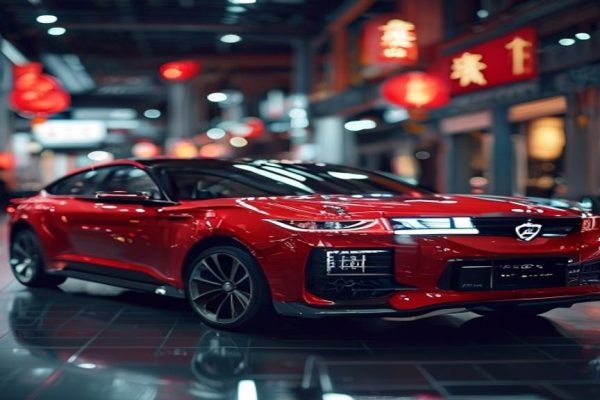
The Chinese automaker in question had been working on a high-end electric vehicle that featured advanced software from a Chinese supplier. However, the company’s application for authorization was rejected due to concerns over the software’s trustworthiness and potential security risks.
Reasons behind the Decision
The decision to deny authorization to the Chinese automaker is believed to be linked to concerns over the software’s ability to maintain the vehicle’s safety features and prevent potential hacking attempts. The government has been increasingly worried about the risks associated with relying on foreign suppliers, particularly those from countries with a history of cybersecurity breaches.
The software in question is a critical component of the vehicle’s electronics, responsible for controlling various functions such as the vehicle’s speed, brakes, and steering. However, the government has raised concerns that the software may not meet the required standards of safety and security.
Future Implications
The decision to deny authorization to the Chinese automaker is likely to have far-reaching implications for the automotive industry. It may lead to increased scrutiny of software used in vehicles and a greater emphasis on domestic innovation. Automakers may also be forced to re-evaluate their supplier relationships and consider alternative sources for their software needs.
The move may also have implications for the global auto industry, particularly for companies that rely heavily on Chinese suppliers. It may lead to increased competition for domestic suppliers and a greater focus on developing in-house software capabilities.
Key Points to Note
- The Chinese automaker was denied authorization under a new rule that bans vehicles with software from China.
- The decision is linked to concerns over the software’s trustworthiness and potential security risks.
- The government has raised concerns about the risks associated with relying on foreign suppliers, particularly those from countries with a history of cybersecurity breaches.
- The decision may lead to increased scrutiny of software used in vehicles and a greater emphasis on domestic innovation.
Conclusion
The decision to deny authorization to the Chinese automaker is a significant development in the automotive industry. It highlights the growing concerns over software trust and the potential risks associated with relying on foreign suppliers. As the industry continues to evolve, it is likely that we will see a greater emphasis on domestic innovation and a greater focus on developing in-house software capabilities.
The move is also likely to have far-reaching implications for the global auto industry, particularly for companies that rely heavily on Chinese suppliers. It may lead to increased competition for domestic suppliers and a greater focus on developing in-house software capabilities.
In conclusion, the decision to deny authorization to the Chinese automaker is a significant development that has the potential to shape the future of the automotive industry. It highlights the need for greater scrutiny of software used in vehicles and a greater emphasis on domestic innovation.






Leave a Reply