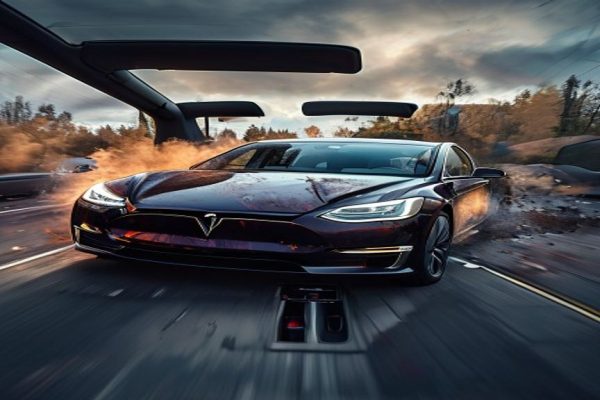
Fatal Tesla Model 3 Crash Raises Questions about Autopilot and Driver Responsibility
The recent fatal crash involving a Tesla Model 3 has sparked a heated debate about the role of Autopilot in such incidents and the responsibility of drivers when using semi-autonomous driving systems.
The National Highway Traffic Safety Administration (NHTSA) is investigating a fatal crash involving a Tesla Model 3, which occurred in the United States. According to Tesla, the driver had the accelerator pressed all the way to 100% when the crash occurred. This revelation raises questions about the driver’s actions and whether the Autopilot system was functioning properly.
Background on Autopilot and Semi-Autonomous Driving
Autopilot is a semi-autonomous driving system developed by Tesla, which enables vehicles to steer, accelerate, and brake automatically under certain conditions. While the system has been praised for its advanced features and potential to reduce driver fatigue, it has also been involved in several high-profile crashes.
One of the primary concerns surrounding Autopilot and other semi-autonomous driving systems is the potential for driver complacency. When drivers rely too heavily on these systems, they may become less attentive and less able to respond to unexpected situations, increasing the risk of accidents.
- Key Points about Autopilot and Semi-Autonomous Driving:
- Critics argue that semi-autonomous driving systems can create a false sense of security among drivers, leading to complacency and decreased attentiveness.
- Manufacturers, including Tesla, emphasize the importance of drivers remaining engaged and alert when using semi-autonomous driving systems.
- Regulators, such as the NHTSA, are working to establish clear guidelines and standards for the development and deployment of semi-autonomous driving systems.
Future Implications for Tesla and the Automotive Industry
The investigation into the fatal Tesla Model 3 crash has significant implications for the company and the wider automotive industry. If the driver is found to have been at fault, it could raise questions about the responsibility of drivers when using semi-autonomous driving systems and the need for clearer guidelines and regulations.
Tesla has already faced criticism for its Autopilot system, with some arguing that it can be prone to errors and that the company has not done enough to educate drivers about its limitations. The recent crash has added fuel to these criticisms, with some calling for greater transparency and accountability from the company.
The automotive industry as a whole is also likely to be impacted by the investigation, as regulators and manufacturers work to establish clear guidelines and standards for the development and deployment of semi-autonomous driving systems.
As the investigation continues, it is clear that the fatal Tesla Model 3 crash will have far-reaching implications for the company and the wider industry. It highlights the need for greater transparency, accountability, and education when it comes to semi-autonomous driving systems and the responsibility of drivers when using them.






Leave a Reply