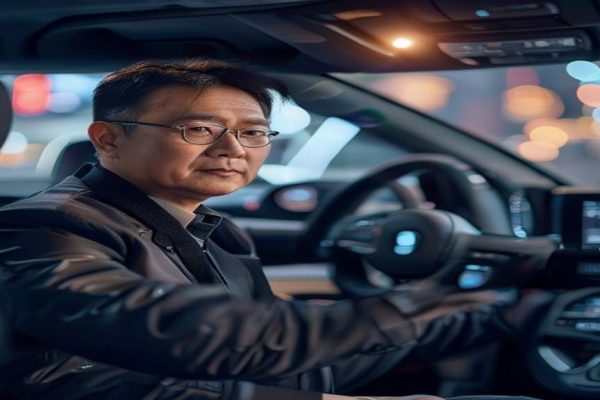
Chinese Automaker Xinzhou Wu Sheds Light on Autonomous Driving and Lidar Technology
In a recent interview, Xinzhou Wu, a prominent figure in the Chinese automotive industry, shared his thoughts on the development of autonomous driving technology and its potential impact on the future of self-driving cars. Wu’s insights offer a unique perspective on the challenges and opportunities presented by this rapidly evolving field.
Autonomous Driving: A Global Effort with Chinese Companies at the Forefront
Autonomous driving technology has been gaining momentum worldwide, with numerous companies investing heavily in research and development. Chinese automakers, in particular, have been making significant strides in this area, with companies like Baidu, Alibaba, and Tencent collaborating on various autonomous driving projects. Xinzhou Wu’s comments highlight the importance of international cooperation in advancing autonomous driving technology.
According to Wu, the development of autonomous driving technology is a complex process that requires collaboration between governments, industries, and academia. He emphasized the need for a standardized framework to ensure the safe and efficient deployment of self-driving cars on public roads.
The Role of Lidar in Autonomous Driving: A Critical Component or a Redundant Technology?
Lidar (Light Detection and Ranging) technology has been a crucial component in the development of autonomous driving systems, providing high-resolution 3D mapping of the environment. However, some experts argue that lidar may become obsolete as more advanced sensors and cameras become available. Xinzhou Wu weighed in on this debate, stating that while lidar is not essential for autonomous driving, it still plays a crucial role in providing accurate data for the vehicle’s sensors.
Wu noted that the use of lidar in autonomous driving systems has several benefits, including improved safety, reduced energy consumption, and enhanced mapping capabilities. However, he also acknowledged that lidar can be a costly and complex technology, which may limit its adoption in certain applications.
The Future of Autonomous Driving: Challenges and Opportunities
Xinzhou Wu’s comments on the future of autonomous driving technology offer a nuanced perspective on the challenges and opportunities presented by this rapidly evolving field. He emphasized the need for continued investment in research and development, as well as collaboration between governments, industries, and academia to ensure the safe and efficient deployment of self-driving cars on public roads.
Wu also highlighted the potential benefits of autonomous driving technology, including improved safety, reduced traffic congestion, and increased mobility for the elderly and disabled. However, he also acknowledged the challenges posed by regulatory frameworks, public acceptance, and the need for standardized testing protocols.
In conclusion, Xinzhou Wu’s insights on autonomous driving and lidar technology offer a valuable perspective on the challenges and opportunities presented by this rapidly evolving field. As the development of autonomous driving technology continues to gain momentum, it is essential to address the complexities and nuances of this technology to ensure its safe and efficient deployment on public roads.






Leave a Reply