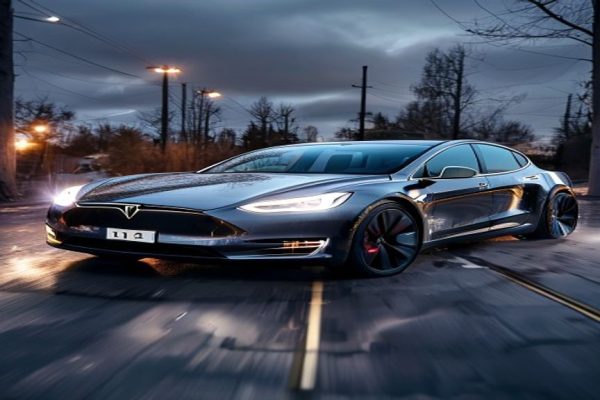
Tesla’s Autopilot Under Scrutiny After Fatal Model 3 Crash
The recent fatal crash involving a Tesla Model 3 has raised questions about the effectiveness of the electric vehicle manufacturer’s Autopilot system. According to reports, the driver of the Model 3 had the accelerator pressed all the way to 100% at the time of the crash. This incident has sparked renewed debate about the safety and reliability of semi-autonomous driving technologies.
Background of Tesla’s Autopilot System
Tesla’s Autopilot system is a semi-autonomous driving technology designed to make long-distance driving safer and more convenient. The system uses a combination of cameras, radar, and ultrasonic sensors to detect the vehicle’s surroundings and make adjustments to steering and speed. Autopilot is designed to assist drivers, but it is not a fully autonomous driving system and requires human oversight at all times.
However, there have been several high-profile incidents involving Tesla vehicles equipped with Autopilot, including multiple fatalities. Critics argue that the system is not robust enough to handle complex driving scenarios and can be tricked into making fatal mistakes. In response to these incidents, Tesla has made several updates to Autopilot, including the addition of new sensors and improved software.
Investigation into the Fatal Crash
The investigation into the fatal Model 3 crash is ongoing, but preliminary reports suggest that the driver had the accelerator pressed to 100% at the time of the crash. While it is unclear whether Autopilot was engaged at the time of the incident, the fact that the driver had the accelerator pressed to maximum speed raises questions about the driver’s level of attention and control over the vehicle.
- The National Highway Traffic Safety Administration (NHTSA) is investigating the incident to determine whether Autopilot was a contributing factor.
- The investigation will also examine the driver’s behavior and whether they were paying attention to the road at the time of the crash.
- Tesla has cooperated with authorities and has released a statement expressing condolences to the family of the deceased.
Future Implications for Tesla and the Autonomous Vehicle Industry
The fatal Model 3 crash and other incidents involving Tesla vehicles have raised concerns about the safety and reliability of semi-autonomous driving technologies. As the autonomous vehicle industry continues to evolve, it is essential that manufacturers prioritize safety and transparency in the development and deployment of these technologies.
Regulators, such as the NHTSA, will play a critical role in ensuring that manufacturers meet strict safety standards for autonomous vehicles. Additionally, consumers must be informed about the limitations and risks associated with semi-autonomous driving technologies.
In the wake of this incident, Tesla will face increased scrutiny and pressure to improve Autopilot’s performance and safety features. The company has a reputation for innovation and pushing the boundaries of what is possible with electric vehicles and semi-autonomous driving technologies. However, it must balance this ambition with the need for safety and transparency in the development and deployment of these technologies.
The future of the autonomous vehicle industry will depend on the ability of manufacturers to address these concerns and prioritize safety above all else. While the incident involving the Tesla Model 3 is a setback, it also presents an opportunity for the industry to come together and develop safer, more reliable semi-autonomous driving technologies.






Leave a Reply