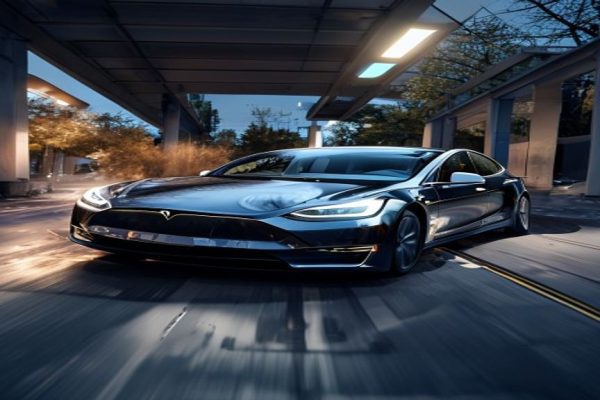
Tesla’s Autopilot Technology at the Center of Investigation
The recent fatal crash involving a Tesla Model 3 has raised serious concerns about the reliability and safety of the electric vehicle manufacturer’s Autopilot technology. According to reports, the driver had the accelerator pressed all the way to 100% at the time of the accident, sparking questions about the system’s ability to prevent such incidents.
The National Highway Traffic Safety Administration (NHTSA) is currently investigating the crash, which resulted in the loss of several lives. The agency is working closely with Tesla to determine the cause of the accident and to identify any potential flaws in the Autopilot system.
Background on Tesla’s Autopilot Technology
Tesla’s Autopilot is a advanced driver-assistance system (ADAS) designed to enable semi-autonomous driving. The system uses a combination of cameras, radar, and ultrasonic sensors to detect the vehicle’s surroundings and make adjustments to the steering and acceleration accordingly.
However, critics have long raised concerns about the reliability and safety of Autopilot, citing instances where the system fails to recognize hazards or fails to take evasive action in time. In some cases, drivers have even reported being unable to override the system’s decisions, leading to accidents.
Why Autopilot Fails: Key Factors to Consider
So, why does Autopilot fail? Several key factors contribute to the system’s limitations:
- Lack of Human Oversight: Autopilot relies heavily on driver input and attention. If the driver becomes distracted or fails to intervene in time, the system may not be able to prevent an accident.
- Sensor Limitations: The sensors used in Autopilot are not foolproof and can be affected by various environmental factors such as weather conditions, road conditions, and the presence of obstacles.
- Software Glitches: Like any software, Autopilot is susceptible to glitches and bugs that can cause the system to malfunction or behave erratically.
- Driver Expectations: Drivers may have unrealistic expectations about the capabilities of Autopilot, leading to a false sense of security and complacency behind the wheel.
In light of the recent crash, it is essential for Tesla and regulators to take a closer look at these factors and to implement measures to address them. This includes improving the system’s sensors, software, and user interface, as well as providing clearer guidelines and warnings to drivers about the limitations of Autopilot.
What’s Next for Tesla and Autopilot?
The investigation into the fatal crash is ongoing, and it is likely that Tesla will face increased scrutiny and pressure to improve its Autopilot technology. In the near term, the company may be required to implement new safety features or to modify the system’s behavior to prevent similar incidents in the future.
Longer-term, Tesla may need to consider more drastic measures, such as developing more advanced autonomous driving capabilities or even abandoning Autopilot altogether in favor of a more comprehensive driver-assistance system.
As the electric vehicle market continues to grow, the safety and reliability of Autopilot will be critical factors in determining Tesla’s success and its reputation as a leader in the industry.
The recent crash serves as a sobering reminder of the challenges and risks associated with autonomous driving technology. As we move forward, it is essential that Tesla, regulators, and industry stakeholders work together to address these challenges and to ensure that Autopilot and other ADAS systems are safe, reliable, and effective.
In the meantime, drivers who rely on Autopilot must remain vigilant and aware of its limitations. By understanding the system’s capabilities and limitations, drivers can take steps to minimize the risks associated with Autopilot and to ensure their safety on the road.






Leave a Reply