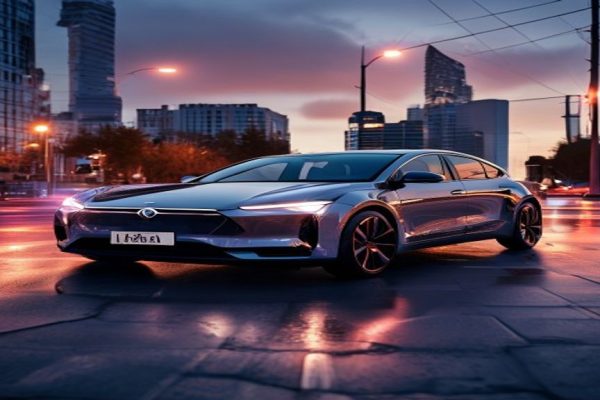
New US-China Trade Tensions Escalate with Electric Vehicle Ban
The electric vehicle (EV) industry has been at the forefront of the global transition to sustainable energy, with numerous companies investing heavily in the development of eco-friendly vehicles. However, a recent decision by the US government has sparked concerns among industry stakeholders, as a major electric vehicle manufacturer has been denied authorization to enter the US market.
The company in question has been identified as a leading player in the EV market, with a significant presence in China and a growing global footprint. However, under a new rule implemented by the US government, vehicles with software from China are now subject to a blanket ban, effectively blocking the company’s entry into the US market.
This move is seen as a significant escalation of tensions between the US and China, with the US government citing concerns over national security and intellectual property protection. The ban is part of a broader effort to restrict the flow of Chinese technology into the US, which has been a key point of contention in the ongoing trade tensions between the two nations.
Background on the US-China Trade Tensions
The trade tensions between the US and China have been simmering for several years, with the two nations engaging in a series of tariffs and counter-tariffs. The tensions escalated in 2020, with the US imposing sweeping sanctions on Chinese technology companies, including Huawei, citing concerns over national security and espionage.
The US government has also been cracking down on Chinese investments in the US, with several high-profile deals being blocked in recent years. The ban on Chinese software in electric vehicles is seen as another step in this direction, as the US government seeks to restrict the flow of Chinese technology into the country.
Implications for the Electric Vehicle Industry
The ban on Chinese software in electric vehicles has significant implications for the industry as a whole. With several major EV manufacturers relying heavily on Chinese technology, the ban could lead to a shortage of supply and increased costs for consumers.
The ban could also lead to a shift in the global EV market, with companies looking to alternative suppliers and technologies to meet demand. This could have a positive impact on the development of domestic EV industries in countries such as the US, Japan, and Europe.
However, the ban could also have negative consequences for the industry, including increased costs and reduced competitiveness. The EV industry is highly dependent on global supply chains, and disruptions to these chains could have far-reaching consequences.
Future Implications and Next Steps
The ban on Chinese software in electric vehicles is a significant development in the ongoing trade tensions between the US and China. As the situation continues to unfold, it is likely that we will see further developments and changes in the EV industry.
The US government has stated that it will continue to impose strict regulations on Chinese technology companies, and it is likely that we will see further restrictions in the coming months and years.
The implications of this ban will be far-reaching, and it is likely that we will see significant changes in the global EV market. The ban could lead to a shift in the balance of power in the industry, with companies that are able to adapt to the new regulations emerging as leaders.
As the situation continues to unfold, it will be essential for industry stakeholders to stay informed and adapt to the changing regulatory landscape. The future of the EV industry is uncertain, but one thing is clear: the ban on Chinese software in electric vehicles is a significant development that will have far-reaching consequences for the industry as a whole.
Key points to note:
- The US government has denied authorization to a major electric vehicle manufacturer due to a new rule banning vehicles with software from China.
- The ban is part of a broader effort to restrict the flow of Chinese technology into the US.
- The implications of the ban are significant, including increased costs and reduced competitiveness in the EV industry.
- The ban could lead to a shift in the global EV market, with companies looking to alternative suppliers and technologies to meet demand.






Leave a Reply