Rising Concerns Over AI-Driven Cybersecurity Threats
In the rapidly evolving landscape of artificial intelligence (AI), significant advancements have been made in the field of software vulnerability discovery. However, these breakthroughs have also raised concerns about the potential for malicious actors to exploit AI-fueled vulnerabilities at an unprecedented pace.
The Double-Edged Sword of AI-Driven Vulnerability Discovery
On one hand, AI-powered tools have revolutionized the way software vulnerabilities are discovered and addressed. These tools can quickly scan vast amounts of code, identify potential weaknesses, and provide actionable insights to developers. This has led to a significant reduction in the time it takes to discover and patch vulnerabilities, making software more secure and resilient.
On the other hand, the same AI technologies that have accelerated software vulnerability discovery can also be misused by malicious hackers. By leveraging these AI models, attackers can rapidly scan for and exploit vulnerabilities, potentially leading to devastating consequences.
The Dark Side of AI-Driven Cybersecurity Threats
As AI-powered vulnerability discovery tools become more widespread, the risk of AI-driven cybersecurity threats increases. This is particularly concerning given the growing reliance on connected systems and the increasing sophistication of cyberattacks.
Some of the key concerns surrounding AI-driven cybersecurity threats include:
- Increased speed and efficiency of vulnerability exploitation
- Improved accuracy and effectiveness of AI-powered attacks
- Difficulty in detecting and preventing AI-driven attacks
- Rise of AI-powered phishing and social engineering attacks
Future Implications and Mitigation Strategies
As the threat landscape continues to evolve, it is essential for organizations and individuals to stay vigilant and proactive in addressing AI-driven cybersecurity threats. Some potential strategies for mitigating these risks include:
Implementing AI-powered security tools that can detect and prevent AI-driven attacks
Investing in AI-driven threat intelligence and analysis capabilities
Developing more effective incident response strategies and protocols
Fostering a culture of cybersecurity awareness and education
Conclusion
The intersection of AI and cybersecurity is a complex and rapidly evolving field. While AI-powered tools have revolutionized software vulnerability discovery, the potential for malicious actors to exploit AI-fueled vulnerabilities is a growing concern. By staying informed and proactive, individuals and organizations can mitigate these risks and stay ahead of the evolving threat landscape.
Image Prompt:
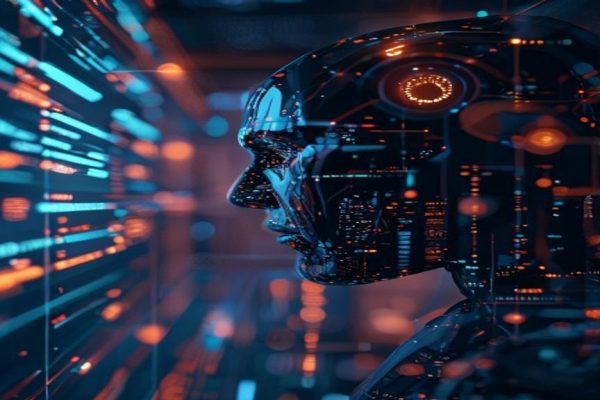
A dark, ominous AI-powered bot lurks in the shadows, surrounded by glowing blue screens and blinking code. In the background, a cityscape is visible, with skyscrapers and towers representing the complex and interconnected systems that AI-powered cyberattacks can target. The bot’s glowing red eyes seem to be watching and waiting, as if ready to strike at any moment.






Leave a Reply