Accident Raises Concerns About Autonomous Vehicle Safety
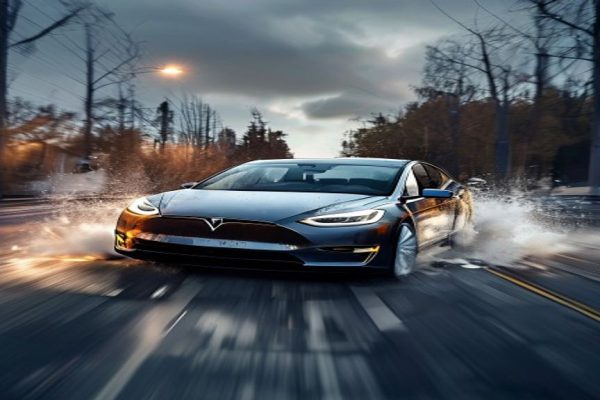
A recent crash involving a Tesla Model 3 has sparked a heated debate about the role of drivers in autonomous vehicles and the need for enhanced safety measures. According to reports, the driver had the accelerator pressed all the way to 100% while using the vehicle’s Autopilot feature, which is designed to assist with steering and acceleration.
While Tesla’s Autopilot system has been praised for its capabilities, this incident highlights the importance of human oversight and the potential risks associated with relying solely on technology for driving.
Background on Tesla’s Autopilot System
Tesla’s Autopilot system is a suite of advanced driver assistance systems (ADAS) that use a combination of cameras, radar, and ultrasonic sensors to assist with steering, acceleration, and braking. The system is designed to improve safety and reduce driver fatigue, but it is not intended to replace human judgment and attention entirely.
However, some critics argue that the Autopilot system can be too reliant on technology and may not always prioritize safety. In this particular incident, the driver’s decision to keep the accelerator pressed to 100% while using Autopilot may have contributed to the crash.
Key Points to Consider
- The incident raises questions about the role of drivers in autonomous vehicles and the need for enhanced safety measures.
- Tesla’s Autopilot system has been praised for its capabilities, but this incident highlights the potential risks associated with relying solely on technology for driving.
- The driver’s decision to keep the accelerator pressed to 100% while using Autopilot may have contributed to the crash.
- The incident underscores the importance of human oversight and the need for drivers to remain vigilant when using autonomous vehicle systems.
Future Implications and Recommendations
The incident has significant implications for the development and deployment of autonomous vehicles. It highlights the need for enhanced safety measures, including more robust monitoring systems and more clear guidelines for driver responsibility.
Furthermore, the incident underscores the importance of public education and awareness about the limitations and potential risks associated with autonomous vehicle technology.
In terms of recommendations, we suggest that Tesla and other autonomous vehicle manufacturers prioritize the development of more robust safety measures, including:
- More advanced monitoring systems that can detect and respond to driver inattention or distraction.
- Clearer guidelines for driver responsibility and the potential risks associated with relying solely on technology for driving.
- Public education and awareness campaigns to inform consumers about the limitations and potential risks associated with autonomous vehicle technology.
In conclusion, the recent crash involving a Tesla Model 3 highlights the importance of human oversight and the need for enhanced safety measures in autonomous vehicles. As the technology continues to evolve, it is essential that manufacturers prioritize the development of more robust safety measures and that consumers remain vigilant when using autonomous vehicle systems.
This incident serves as a reminder that autonomous vehicles are not yet perfect and that human judgment and attention are still essential for safe driving.
By prioritizing safety and transparency, we can help to ensure that the benefits of autonomous vehicle technology are realized while minimizing the risks associated with it.






Leave a Reply