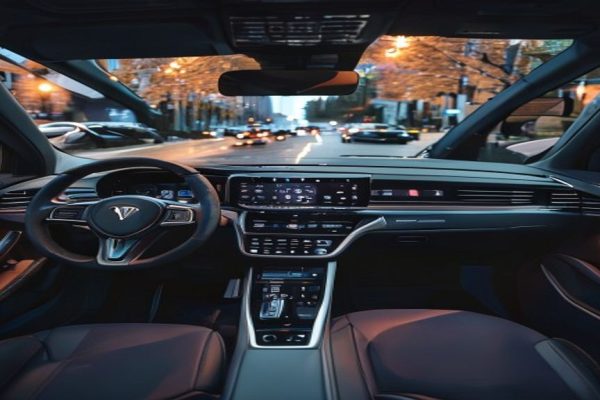
Tesla Autopilot Accident Raises Questions About Driver-Assistance Technology
The recent incident involving a Tesla Model 3 driver who had their accelerator pressed all the way to 100% while Autopilot was engaged has sent shockwaves throughout the automotive industry. The accident highlights the darker side of driver-assistance technology and the need for more stringent safety protocols.
What is Autopilot, and How Does it Work?
Tesla’s Autopilot system is a semi-autonomous driving technology designed to assist drivers in navigating various road conditions. Using a combination of cameras, sensors, and software, Autopilot can steer, accelerate, and brake the vehicle in certain situations. However, it’s essential to note that Autopilot is not a fully autonomous driving system and requires human intervention at all times.
The incident in question has sparked concerns about the limitations of Autopilot and the potential risks associated with its use. While Autopilot has been instrumental in reducing driver fatigue and improving safety, its reliance on human input and potential for system failure has raised red flags.
The Risks of Over-Reliance on Autopilot
The recent accident is not an isolated incident. There have been several reported cases of Tesla vehicles crashing while Autopilot was engaged. In some instances, the driver was not paying attention, while in others, the system failed to respond appropriately to road conditions. The over-reliance on Autopilot can lead to a false sense of security, causing drivers to become complacent and take their eyes off the road.
Moreover, the lack of transparency surrounding Autopilot’s decision-making process and the absence of clear guidelines for its use have contributed to the risks associated with the technology. As the industry continues to push the boundaries of autonomous driving, it’s crucial to address these concerns and develop more robust safety protocols.
The Future of Autonomous Driving: A Delicate Balance Between Technology and Human Intervention
As the world inches closer to a future where autonomous vehicles dominate the roads, it’s essential to strike a balance between the benefits of driver-assistance technology and the risks associated with over-reliance on it. Regulatory bodies and manufacturers must work together to establish clear guidelines and standards for the development and deployment of autonomous driving systems.
The recent accident serves as a wake-up call for the industry, highlighting the need for more stringent safety protocols and increased transparency surrounding autonomous driving technology. By addressing these concerns and prioritizing human safety, we can create a future where autonomous vehicles revolutionize the way we travel while minimizing the risks associated with their use.
Key Takeaways:
- Tesla’s Autopilot system is a semi-autonomous driving technology that requires human input at all times.
- The recent accident highlights the risks associated with over-reliance on Autopilot and the need for more stringent safety protocols.
- The industry must strike a balance between the benefits of driver-assistance technology and the risks associated with its use.
- Regulatory bodies and manufacturers must work together to establish clear guidelines and standards for the development and deployment of autonomous driving systems.






Leave a Reply