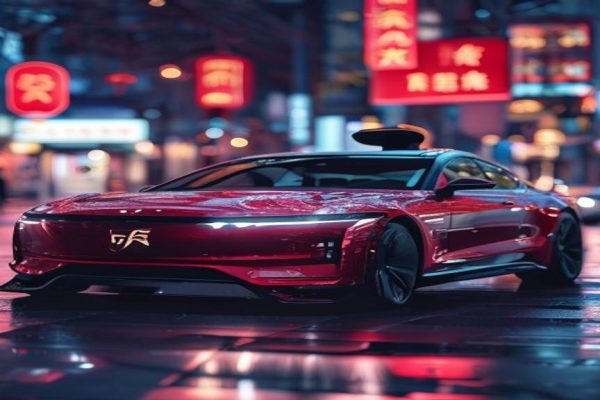
US Denies Authorization to Chinese Electric Vehicle Maker
The United States has denied authorization to a Chinese electric vehicle (EV) manufacturer, marking a significant development in the ongoing trade tensions between the two nations. The company’s application was rejected under a new rule that prohibits vehicles containing software from China.
The decision, which has sparked widespread concern among industry stakeholders, underscores the increasing protectionism in the US market, where companies are being scrutinized for their ties to foreign entities.
The background to this story is rooted in a long-standing trade war between the US and China. The US has repeatedly accused China of intellectual property theft and unfair trade practices, leading to a series of tariffs and restrictions on Chinese imports.
Impact of the Decision on the Electric Vehicle Industry
The US denial of authorization to the Chinese EV maker has significant implications for the global electric vehicle industry. With the US market being one of the largest and most lucrative, the decision is likely to impact the company’s sales and revenue.
It also raises questions about the future of US-China trade relations and the potential for further protectionism in the US market. The move is seen as part of a broader trend of increasing nationalism and protectionism in the US, where companies are being held to a higher standard of domestic ownership and control.
The electric vehicle industry is one of the most competitive and rapidly evolving sectors globally, with numerous companies vying for market share. The US denial of authorization to the Chinese EV maker is a significant setback for the company, but it is unlikely to deter other Chinese companies from pursuing opportunities in the US market.
Background on the US-China Trade War and Its Impact on the US Market
The US-China trade war has been ongoing for several years, with both countries imposing tariffs and restrictions on each other’s imports. The trade war has had a significant impact on global trade, causing widespread disruption and uncertainty.
In the US, the trade war has led to a surge in protectionism, with companies being scrutinized for their ties to foreign entities. The US government has implemented a series of restrictions and requirements aimed at promoting domestic ownership and control, including the new rule that bans vehicles containing software from China.
The impact of the trade war on the US market has been significant, with many companies struggling to navigate the complexities and uncertainties of the trade environment. The US denial of authorization to the Chinese EV maker is a further example of the challenges facing companies operating in the US market.
Industry experts warn that the move could have far-reaching consequences for the global electric vehicle industry, potentially leading to a trade war between the US and China. The situation is likely to be closely monitored by industry stakeholders, policymakers, and market analysts, who will be watching for any developments that could impact the industry.
Conclusion
The US denial of authorization to the Chinese EV maker is a significant development in the ongoing trade tensions between the US and China. The decision underscores the increasing protectionism in the US market and raises questions about the future of US-China trade relations.
The impact of the decision on the electric vehicle industry is likely to be significant, with numerous companies potentially affected by the move. The situation is complex and rapidly evolving, and industry stakeholders will be closely monitoring developments for any signs of a trade war between the US and China.
In the meantime, companies operating in the US market will need to carefully navigate the complexities and uncertainties of the trade environment, ensuring compliance with all relevant regulations and requirements.
Key Points:
- The US has denied authorization to a Chinese electric vehicle manufacturer under a new rule that bans vehicles containing software from China.
- The decision has sparked widespread concern among industry stakeholders and underscores the increasing protectionism in the US market.
- The US-China trade war has had a significant impact on global trade, causing widespread disruption and uncertainty.
- The US denial of authorization to the Chinese EV maker raises questions about the future of US-China trade relations and the potential for further protectionism in the US market.
- The decision is likely to have significant implications for the electric vehicle industry, with numerous companies potentially affected by the move.






Leave a Reply