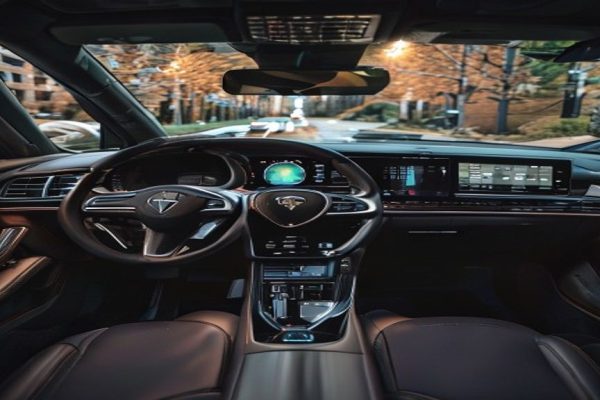
Tesla’s Autopilot System in the Spotlight
The recent fatal crash of a Tesla Model 3, in which the driver had his foot on the accelerator pedal for an extended period, has sparked heated debates about the reliability and safety of the electric vehicle manufacturer’s Autopilot feature.
According to Tesla, the driver had the accelerator pressed all the way to 100% for over 10 seconds, with the vehicle reaching a speed of 68 mph before crashing into a parked fire truck on a highway in Los Angeles. The incident has raised concerns about the effectiveness of Autopilot in preventing such accidents.
Background on Autopilot Technology
Tesla’s Autopilot system is a semi-autonomous driving feature that uses a combination of cameras, sensors, and GPS data to enable vehicles to steer, accelerate, and brake automatically. While Autopilot has been shown to be effective in reducing driver workload and improving safety, the system is not foolproof and requires constant attention from drivers.
However, critics argue that Autopilot can create a false sense of security among drivers, leading them to become complacent and take their eyes off the road. This can result in accidents, as was the case in the recent Model 3 crash.
Key Takeaways from the Crash Investigation
- The driver was using Autopilot at the time of the crash.
- The vehicle’s speed limit was 65 mph, but the driver had the accelerator pressed to 100% for over 10 seconds.
- The crash was likely caused by a combination of human error and system failure.
- Tesla’s Autopilot system was not able to detect the parked fire truck in time to prevent the accident.
As the investigation into the crash continues, it is clear that there are several key factors at play. Firstly, the driver’s actions were a critical contributor to the accident, highlighting the need for drivers to remain vigilant and attentive even when using Autopilot.
Secondly, the limitations of Autopilot technology have been exposed, with the system failing to detect the parked fire truck in time. This raises questions about the effectiveness of Autopilot in preventing accidents and whether the system is truly ready for widespread adoption.
Finally, the incident has sparked a broader debate about the responsibility of manufacturers in ensuring the safety of their vehicles. As the demand for autonomous driving features continues to grow, it is essential that manufacturers prioritize the development of reliable and safe systems.
Future Implications and Recommendations
In light of the recent crash, Tesla and other manufacturers are under increasing pressure to improve the safety and reliability of their Autopilot systems. This may involve the implementation of additional safety features, such as more advanced driver monitoring systems and improved sensor technology.
Furthermore, regulators are likely to take a closer look at the development and deployment of autonomous driving features, with a focus on ensuring that manufacturers are prioritizing safety and accountability.
As the electric vehicle market continues to evolve, it is crucial that manufacturers strike a balance between innovation and safety. By prioritizing the development of reliable and safe Autopilot systems, manufacturers can build trust with consumers and ensure the long-term success of the autonomous driving industry.






Leave a Reply