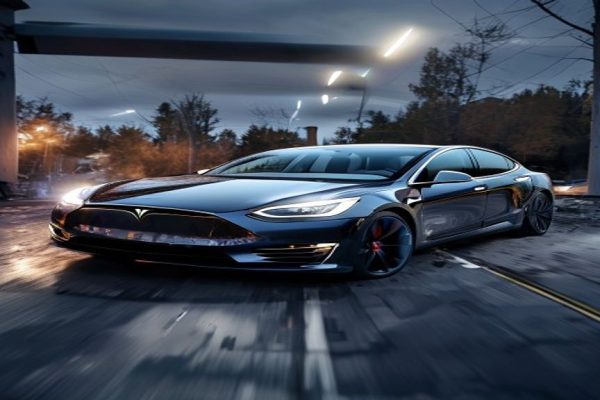
Fatal Tesla Crash Raises Questions About Autopilot System
The recent fatal crash involving a Tesla Model 3 has sparked concerns about the reliability and safety of the vehicle’s Autopilot system. According to reports, the driver had the accelerator pressed all the way to 100% at the time of the crash, leading to speculation about the role of the Autopilot system in the accident.
The incident has raised questions about the limitations and potential flaws of Tesla’s Autopilot system, which is designed to assist drivers with steering, acceleration, and braking. While Autopilot has been touted as a revolutionary technology, some experts argue that it may not be as advanced as its reputation suggests.
Background on Tesla’s Autopilot System
Tesla’s Autopilot system is a advanced driver-assistance system (ADAS) that uses a combination of cameras, radar, and ultrasonic sensors to detect the environment and make adjustments to the vehicle’s speed and trajectory. The system is designed to improve safety and reduce driver fatigue, but it is not a fully autonomous driving system.
However, some critics have raised concerns about the lack of transparency and oversight surrounding the development and testing of Autopilot. Tesla has been accused of pushing the boundaries of what is safe and feasible with its Autopilot system, which has led to some high-profile crashes and near-misses.
Future Implications and Regulatory Action
The fatal crash has sparked calls for greater regulation and oversight of the autonomous driving industry. Some lawmakers have suggested that Tesla’s Autopilot system may be operating outside the boundaries of what is currently allowed under existing regulations.
As the industry continues to evolve and advance, it is likely that we will see increased scrutiny and regulation of autonomous driving systems like Autopilot. This could lead to significant changes in the way that companies like Tesla develop and deploy their technology, and may ultimately improve safety and reliability for drivers and passengers.
In the meantime, Tesla and other companies in the autonomous driving industry will need to work to address concerns about the safety and reliability of their systems. This may involve investing in additional testing and validation, as well as improving transparency and communication with regulators and the public.
Key Points:
- The fatal crash involving a Tesla Model 3 has raised concerns about the reliability and safety of the vehicle’s Autopilot system.
- The incident has sparked calls for greater regulation and oversight of the autonomous driving industry.
- Tesla and other companies in the industry will need to work to address concerns about the safety and reliability of their systems.
- Increased scrutiny and regulation could lead to significant changes in the way that companies develop and deploy their technology.






Leave a Reply