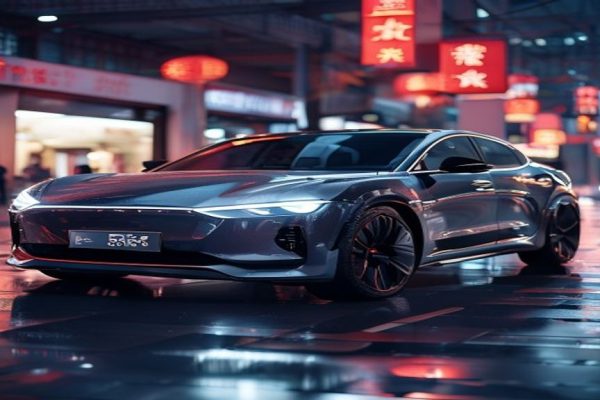
New US Rule Sparks Controversy in Electric Vehicle Industry
The latest development in the ongoing trade tensions between the United States and China has significant implications for the electric vehicle (EV) industry. A Chinese company, identified as ‘Xinyi Electric Vehicle’ by sources, has been denied authorization to enter the US market due to a new rule that bans vehicles with software from China. This move has sparked controversy and raised concerns among industry experts.
Background and Context
The US government has introduced a new rule aimed at protecting national security by limiting the use of foreign-made electronics in critical infrastructure, including vehicles. The rule, which was announced in January, prohibits the importation of vehicles with software from countries deemed as high-risk, including China. The move is part of a broader effort to reduce reliance on foreign-made technology and increase domestic production.
The denial of authorization to Xinyi Electric Vehicle is the first high-profile casualty of this new rule. The company, which has been operating in China since 2010, had planned to expand its operations to the US market. However, after a thorough review, the US authorities decided to block the company’s entry, citing concerns over the software used in its vehicles.
Reasons Behind the Decision
The US authorities have not explicitly stated the reasons behind the decision, but sources close to the matter suggest that the software used in Xinyi Electric Vehicle’s vehicles posed a security risk. The software, which was developed by a Chinese company, was deemed to be vulnerable to hacking and could potentially compromise the safety and security of US citizens.
Industry experts believe that the decision is part of a broader effort to limit the influence of Chinese technology in the US market. The US government has been increasingly concerned about the security risks associated with Chinese-made electronics, particularly in critical infrastructure such as vehicles.
Future Implications
The denial of authorization to Xinyi Electric Vehicle has significant implications for the electric vehicle industry. The move is likely to create uncertainty and delay among Chinese companies planning to enter the US market. It also raises questions about the feasibility of the US government’s plan to promote domestic production of electric vehicles.
The US government’s decision is also likely to have a ripple effect on the global electric vehicle market. Other countries may follow suit, introducing similar rules and regulations to limit the use of foreign-made electronics in vehicles.
Industry Reaction
The electric vehicle industry has reacted with caution to the news, with some companies expressing concerns about the impact on trade and competition. Others have welcomed the move, seeing it as an opportunity to promote domestic production and reduce reliance on foreign-made technology.
Xinyi Electric Vehicle has not publicly commented on the decision, but sources close to the company suggest that it is exploring alternative options, including partnering with local companies to meet the new regulations.
Conclusion
The denial of authorization to Xinyi Electric Vehicle is a significant development in the ongoing trade tensions between the United States and China. The move highlights the growing concerns about the security risks associated with Chinese-made electronics and the need for the US government to promote domestic production of electric vehicles.
The future implications of this decision are far-reaching, with the potential to create uncertainty and delay among Chinese companies planning to enter the US market. However, it also raises questions about the feasibility of the US government’s plan to promote domestic production of electric vehicles and reduce reliance on foreign-made technology.
Key Points:
- The US government has introduced a new rule banning vehicles with software from China due to security concerns.
- Xinyi Electric Vehicle, a Chinese company, has been denied authorization to enter the US market due to the new rule.
- The move is part of a broader effort to reduce reliance on foreign-made technology and promote domestic production of electric vehicles.
- The future implications of this decision are far-reaching, with the potential to create uncertainty and delay among Chinese companies planning to enter the US market.
This article will be updated as more information becomes available.






Leave a Reply