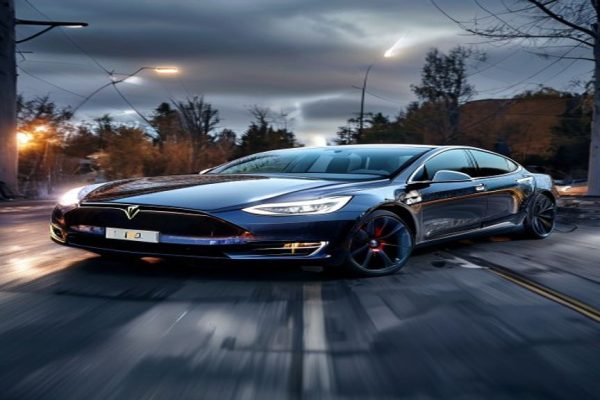
Tesla Model 3 Autopilot Under Scrutiny After Fatal Crash
The National Highway Traffic Safety Administration (NHTSA) is investigating a fatal crash involving a Tesla Model 3 with Autopilot engaged. The incident has sparked concerns about the reliability and safety of semi-autonomous driving systems in vehicles.
Background on Tesla’s Autopilot Technology
Tesla’s Autopilot is a advanced driver-assistance system (ADAS) that enables semi-autonomous driving capabilities in select vehicles. The system uses a combination of cameras, radar, and ultrasonic sensors to detect and respond to its surroundings. Autopilot can perform tasks such as steering, acceleration, and braking on highways, but it requires human attention and intervention at all times.
However, there have been several instances where Autopilot has been involved in fatal crashes. In 2016, a Model S crashed into a tractor-trailer in Florida, resulting in the death of the driver. In 2018, a Model X crashed into a concrete median in California, killing the driver and two others in the vehicle.
What Happened in the Latest Incident?
According to investigators, the driver of the Tesla Model 3 had the accelerator pressed all the way to 100% when the vehicle crashed into a parked firetruck in Florida. The driver reportedly died in the incident. The NHTSA has obtained data from the vehicle’s onboard computer, which suggests that the driver may have been using Autopilot at the time of the crash.
However, it’s worth noting that the data is still preliminary and has not been confirmed by Tesla. The company has stated that it will cooperate fully with the investigation and provide any necessary information to the authorities.
Implications and Future Developments
The fatal crash involving the Tesla Model 3 has raised concerns about the safety and reliability of Autopilot and other semi-autonomous driving systems. While these systems have the potential to reduce the number of accidents on the road, they are not foolproof and can be vulnerable to certain types of failures.
As the investigation into the latest incident continues, it’s likely that we’ll see increased scrutiny of Autopilot and other ADAS systems. Regulators and lawmakers may push for stricter safety standards and regulations to ensure that these systems meet minimum safety requirements.
Meanwhile, Tesla and other manufacturers are working to improve the performance and reliability of their ADAS systems. The company has already made several updates to Autopilot in recent years, including the addition of new sensors and improved software algorithms.
However, the incident serves as a reminder that semi-autonomous driving systems are still in their early stages of development and require careful testing and validation before they can be deemed safe for widespread use.
Key Points
- The NHTSA is investigating a fatal crash involving a Tesla Model 3 with Autopilot engaged.
- The incident has sparked concerns about the safety and reliability of semi-autonomous driving systems.
- Tesla’s Autopilot is a advanced driver-assistance system (ADAS) that enables semi-autonomous driving capabilities in select vehicles.
- The company has stated that it will cooperate fully with the investigation and provide any necessary information to the authorities.
- The incident serves as a reminder that semi-autonomous driving systems are still in their early stages of development and require careful testing and validation.
As the investigation continues, it’s likely that we’ll see increased scrutiny of Autopilot and other ADAS systems. Regulators and lawmakers may push for stricter safety standards and regulations to ensure that these systems meet minimum safety requirements.
In the meantime, Tesla and other manufacturers will continue to work on improving the performance and reliability of their ADAS systems. The goal is to create safe and reliable semi-autonomous driving systems that can reduce the number of accidents on the road.






Leave a Reply