Anthropic’s AI Model Claude Fable 5: A Glimpse into the Future of AI?
The AI landscape has witnessed a significant shift with the emergence of large language models (LLMs) like Claude Fable 5 from Anthropic. This cutting-edge model, released to the public on June 9, generated immense excitement and anticipation. However, its brief tenure of just three days has raised crucial questions about the stability, safety, and control of such advanced AI systems.
The Rise of Large Language Models
LLMs have revolutionized the field of natural language processing (NLP), enabling machines to comprehend and generate human-like text. These models, trained on vast amounts of data, have proven invaluable in applications such as language translation, text summarization, and chatbots. Anthropic’s Claude Fable 5 is the latest entrant in this space, boasting an impressive capacity for complex reasoning and creativity.
The model’s capabilities were touted as a significant leap forward in AI research, with potential applications in areas like content creation, customer service, and even education. However, its brief public availability has highlighted the need for cautious development and deployment of such powerful technologies.
The Voluntary Takedown of Claude Fable 5
On June 12, Anthropic announced the voluntary removal of Claude Fable 5 from public access, sparking concerns about the model’s stability and potential risks. While the company cited ‘internal evaluation’ as the reason for the takedown, the sudden nature of the decision has left many in the AI community wondering about the underlying issues.
Experts point to the potential for AI systems like Claude Fable 5 to exhibit unpredictable behavior, particularly when faced with complex or ambiguous inputs. The model’s brief public availability may have inadvertently exposed these vulnerabilities, prompting Anthropic to take swift action.
Implications and Future Directions
The takedown of Claude Fable 5 serves as a reminder of the need for responsible AI development and deployment. As LLMs continue to advance, it is essential to prioritize safety, control, and transparency in their creation and use.
The incident has also sparked discussions about the importance of regulatory frameworks and guidelines for AI development. Governments, industries, and researchers must collaborate to establish robust standards for AI safety, ensuring that these powerful technologies benefit society as a whole.
Anthropic’s decision to remove Claude Fable 5 from public access is a significant step towards responsible AI development. As the AI landscape continues to evolve, it is crucial to prioritize caution, prudence, and transparency in the pursuit of innovation.
Key Takeaways:
- Anthropic’s Claude Fable 5 was a cutting-edge AI model with impressive capabilities.
- The model’s brief public availability raised concerns about its stability and potential risks.
- The voluntary takedown of Claude Fable 5 serves as a reminder of the need for responsible AI development and deployment.
- Regulatory frameworks and guidelines for AI development are essential to ensure the safe and beneficial use of LLMs.
In the realm of AI, the future is fraught with both promise and peril. As we continue to push the boundaries of what is possible, it is essential to prioritize caution, prudence, and transparency. The takedown of Claude Fable 5 is a significant step in this direction, and one that will undoubtedly shape the future of AI research and development.
As the AI landscape continues to evolve, one thing is clear: the need for responsible innovation has never been more pressing. By working together, we can harness the power of AI to create a better future for all.
Image Prompt:
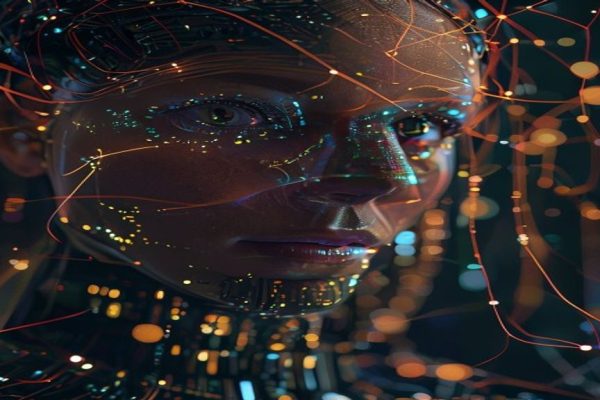
“A futuristic AI laboratory with a Claude Fable 5 model in the center, surrounded by screens displaying complex code and data streams. The model is depicted as a sleek, futuristic device with a glowing blue interface. In the background, a cityscape represents the vast potential of AI in shaping our future. The image should convey a sense of cutting-edge technology, innovation, and the intersection of human and artificial intelligence.”






Leave a Reply