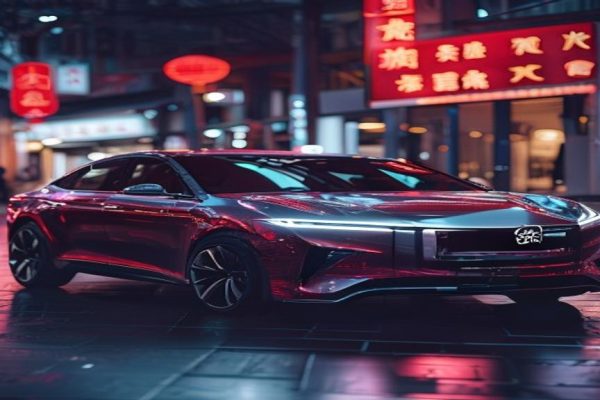
Chinese EV Maker Denied Authorization in US Amid Growing Tech Tensions
The US government has denied authorization to a Chinese electric vehicle (EV) manufacturer under a new rule that bans vehicles with software from China, sparking concerns about the country’s growing tech influence in the global market.
The decision is part of a broader move by the US government to restrict Chinese companies’ access to the US market, particularly in the tech sector. The new rule, which was announced in February, requires all EVs sold in the US to have software developed and tested in the country, effectively excluding Chinese-made vehicles from the market.
Background and Context
The US-China tech rivalry has been escalating in recent years, with the US imposing strict regulations on Chinese companies, particularly those in the tech sector. The new rule is seen as a continuation of this trend, aimed at reducing the country’s dependence on Chinese technology and promoting domestic innovation.
Chinese EV manufacturers, such as Geely-backed Polestar and NIO, have been rapidly expanding their presence in the global market, including the US. However, their growth has been hindered by regulatory challenges and concerns about data security and intellectual property.
Impact and Future Implications
The denial of authorization to the Chinese EV manufacturer is likely to have significant implications for the US EV market, particularly in the short term. The move may lead to increased prices for consumers, reduced competition, and delayed adoption of EV technology.
However, the long-term impact of the decision is less clear. Some experts argue that it may accelerate the development of domestic EV manufacturing in the US, while others predict that Chinese companies will find ways to circumvent the regulations and maintain their market share.
In a statement, a spokesperson for the US Department of Transportation said that the decision was made to protect national security and promote domestic innovation. However, industry insiders have expressed concerns about the fairness and practicality of the new rule.
- Key points:
- The US government has denied authorization to a Chinese EV manufacturer under a new rule that bans vehicles with software from China.
- The decision is part of a broader move by the US government to restrict Chinese companies’ access to the US market.
- The new rule requires all EVs sold in the US to have software developed and tested in the country.
- The denial of authorization is likely to have significant implications for the US EV market, particularly in the short term.
Industry Response and Reaction
The denial of authorization has sparked a mixed reaction from the industry, with some companies welcoming the move as a necessary step to promote domestic innovation, while others have expressed concerns about the fairness and practicality of the new rule.
Industry insiders have pointed out that the new rule may be too broad and could inadvertently harm domestic companies that rely on Chinese technology. Others have criticized the move as a protectionist measure that will ultimately harm American consumers.
In a statement, a spokesperson for the US Chamber of Commerce said that the decision was “unfortunate” and would “harm American consumers and businesses.” However, a spokesperson for the US Department of Transportation defended the move, saying that it was necessary to protect national security and promote domestic innovation.
Conclusion
The denial of authorization to the Chinese EV manufacturer is a significant development in the ongoing US-China tech rivalry. While the decision may have short-term implications for the US EV market, its long-term impact remains uncertain. As the US continues to navigate the complexities of the global tech landscape, one thing is clear: the stakes are high, and the consequences of failure will be significant.
The US government’s decision to restrict Chinese companies’ access to the US market is a bold move that will likely have far-reaching implications for the global tech industry. As the world watches, one thing is certain: the future of tech is uncertain, and the US-China rivalry will continue to shape the global landscape.






Leave a Reply