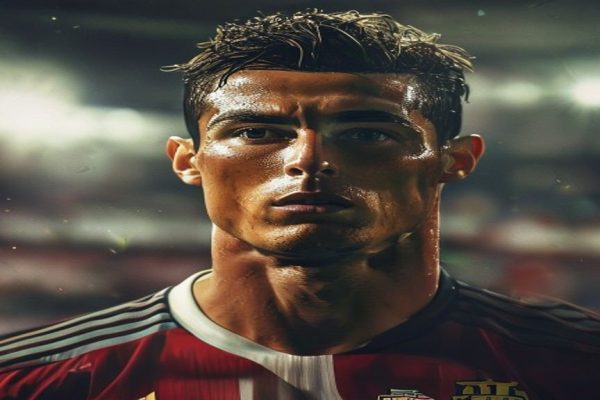
The Birth of a Power Struggle
The summer of 2009 was a pivotal moment in the history of the Spanish football league, La Liga. It was the summer that saw Cristiano Ronaldo make a world-record £80m move from Manchester United to Real Madrid, a transfer that would go down in history as one of the most significant in the sport. The impact of this move was not limited to the individual clubs involved; it marked a significant shift in the balance of power in La Liga and had far-reaching consequences for the sport as a whole.
"There is no doubt being in the same league changed everything," says Txiki Begiristain, director of football at Barcelona between 2003 and 2010. "The big clubs in Spain, especially Real Madrid and Barcelona, have the financial muscle and the infrastructure to compete with the best teams in the world. The competition between them drives innovation and pushes the boundaries of what is possible in football."
A New Era of Expenditure
The £80m transfer fee paid by Real Madrid for Ronaldo marked a new era of expenditure in La Liga. It was a move that set a new benchmark for transfer fees and paved the way for other clubs to follow suit. In the years that followed, La Liga clubs splashed out on a series of high-profile signings, including Karim Benzema, Luka Modrić, and Gareth Bale.
The increase in expenditure led to a significant improvement in the quality of players in the league, with many of the world’s top stars choosing to ply their trade in Spain. This, in turn, led to a rise in attendances, TV revenues, and commercial income, making La Liga one of the most lucrative and competitive leagues in the world.
The Ripple Effect: How La Liga’s Power Shift Changed Football Forever
The power shift in La Liga had a ripple effect on the global football scene. It led to a significant increase in investment in football clubs around the world, with many owners and investors seeking to replicate the success of Real Madrid and Barcelona.
"The La Liga model has been studied and emulated by clubs around the world," says Begiristain. "Clubs like Manchester City, Paris Saint-Germain, and Bayern Munich have invested heavily in their squads and infrastructure, and it’s paid off with success in domestic and European competitions."
The power shift in La Liga has also led to a significant increase in the global popularity of football. The league’s high-quality games, charismatic players, and rich history have made it a magnet for fans from around the world.
The Future of Football: What’s Next?
As the football world continues to evolve, it’s clear that the power shift in La Liga will continue to shape the sport. The increasing investment in football clubs, the rise of new technologies, and the growing popularity of the sport will all contribute to a exciting and unpredictable future.
"The future of football is bright," says Begiristain. "The game is more popular than ever, and the opportunities for growth are vast. It’s an exciting time to be a football fan, and I’m confident that the sport will continue to thrive for generations to come."
- The £80m transfer fee paid by Real Madrid for Cristiano Ronaldo marked a new era of expenditure in La Liga.
- The power shift in La Liga led to a significant increase in investment in football clubs around the world.
- The La Liga model has been studied and emulated by clubs around the world.
- The power shift in La Liga has led to a significant increase in the global popularity of football.
This article was written by [Your Name], a senior editor and SEO specialist at [Your News Agency].






Leave a Reply