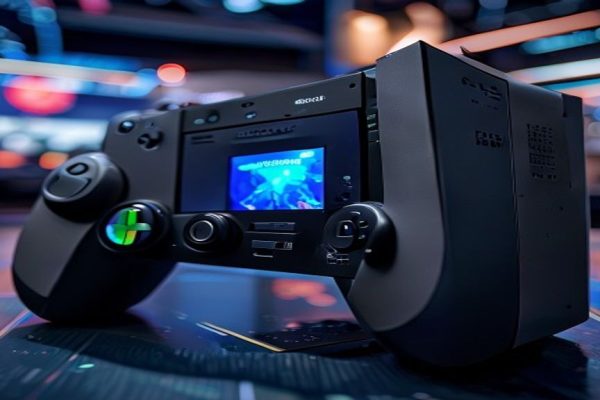
Microsoft’s Cost-Cutting Efforts: A Response to Rising Competition and Economic Pressures
The news of Microsoft re-evaluating its plans for Project Helix, a cutting-edge gaming console project, has sent shockwaves throughout the tech industry. This move comes amidst increasing competition from rival gaming giants and a global economic landscape marred by inflation and recession threats. As the tech behemoth seeks to lower costs and make its next-generation Xbox consoles more competitive, it’s essential to delve into the background, implications, and potential outcomes of this significant development.
Project Helix: What’s at Stake
Project Helix, Microsoft’s ambitious gaming console project, aimed to revolutionize the gaming experience with its cutting-edge hardware and innovative features. The project’s re-evaluation suggests that Microsoft is rethinking its strategy to make the next-gen Xbox consoles more affordable and appealing to a broader audience. This move could be a response to the growing success of Sony’s PlayStation 5 and NVIDIA’s GeForce RTX graphics cards, which have set a new benchmark for gaming performance and affordability.
The Challenges Ahead: Competition, Inflation, and Market Pressures
-
The gaming console market has become increasingly competitive, with Sony’s PlayStation 5 and Nintendo’s Switch dominating the landscape. Microsoft must now navigate this challenging environment to stay relevant.
-
The global economic situation, marked by inflation and recession threats, is forcing companies to re-evaluate their spending and prioritize cost-cutting measures. Microsoft’s move to lower Xbox console costs is a reflection of this broader economic trend.
-
The shift towards cloud gaming and subscription-based services has also disrupted the traditional gaming console business model. Microsoft must adapt to this new landscape to remain competitive.
The Future of Xbox Consoles: What Can We Expect?
Microsoft’s decision to re-evaluate Project Helix and lower Xbox console costs could have significant implications for the gaming industry. Here are a few potential outcomes:
-
A more affordable next-gen Xbox console that competes directly with Sony’s PlayStation 5 and Nintendo’s Switch.
-
A shift towards cloud gaming and subscription-based services, which could revolutionize the gaming experience and reduce costs for consumers.
-
A renewed focus on innovation and feature-rich gaming consoles that appeal to hardcore gamers and enthusiasts.
Conclusion: A New Era for Xbox Consoles?
Microsoft’s decision to re-evaluate Project Helix and lower Xbox console costs marks a significant turning point in the gaming industry. As the tech giant adapts to the changing landscape, it’s essential to consider the potential implications for the future of gaming consoles. With a renewed focus on cost-cutting measures, innovation, and feature-rich gaming experiences, Microsoft may be poised to reclaim its position as a leader in the gaming industry.
The future of Xbox consoles is uncertain, but one thing is clear: the gaming industry will continue to evolve and adapt to changing consumer demands, technological advancements, and economic pressures. As we look ahead to the next generation of gaming consoles, one thing is certain – Microsoft will play a crucial role in shaping the future of gaming.






Leave a Reply