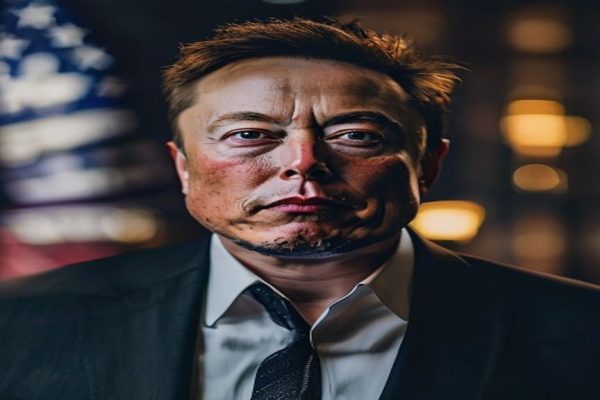
Elon Musk’s Legal Battle Against OpenAI Ends in Defeat
The tech industry has been abuzz with the latest development in the high-profile lawsuit between Elon Musk and OpenAI. A federal jury and a judge have ruled that Musk waited too long to bring his claims against the AI startup and its top executive, handing him a crushing defeat in the legal battle.
The Background of the Lawsuit
The lawsuit stems from Musk’s disagreements with OpenAI over the direction and governance of the AI company. Musk, who was once a member of OpenAI’s board of directors, had expressed concerns about the potential risks and consequences of advanced AI technologies.
However, his warnings were largely ignored, and OpenAI continued to develop its AI models, including the highly successful ChatGPT. Musk eventually resigned from the board in 2018, citing his disagreements with the company’s direction.
In 2021, Musk filed a lawsuit against OpenAI, alleging that the company had breached its obligations to him as a former board member and had failed to adequately address the risks and consequences of its AI technologies.
The Ruling and Its Implications
However, in a major blow to Musk’s legal efforts, a federal jury and a judge have ruled that he waited too long to bring his claims against OpenAI and its top executive. The ruling has significant implications for Musk’s lawsuit, which may now be dismissed or significantly reduced in scope.
The ruling also raises concerns about the governance and oversight of AI companies, particularly those that are developing highly advanced technologies. Critics have long argued that the development of AI technologies is happening too quickly, with too little oversight or regulation.
As AI technologies continue to advance and become increasingly integrated into our daily lives, the need for effective governance and oversight has never been more pressing. The Musk-OpenAI lawsuit highlights the challenges and complexities of regulating AI companies, particularly those that are pushing the boundaries of what is possible with AI technologies.
Key Takeaways from the Ruling
- Musk’s lawsuit against OpenAI has been dealt a significant blow, with a federal jury and a judge ruling that he waited too long to bring his claims.
- The ruling raises concerns about the governance and oversight of AI companies, particularly those that are developing highly advanced technologies.
- The need for effective governance and oversight of AI companies has never been more pressing, given the rapid advancement of AI technologies.
- The Musk-OpenAI lawsuit highlights the challenges and complexities of regulating AI companies, particularly those that are pushing the boundaries of what is possible with AI technologies.
The Future of AI Governance
The ruling in the Musk-OpenAI lawsuit highlights the need for effective governance and oversight of AI companies. As AI technologies continue to advance and become increasingly integrated into our daily lives, it is essential that we have in place robust frameworks for regulating and overseeing AI companies.
This may involve the establishment of new regulatory bodies, the development of new laws and regulations, and the creation of industry-wide standards for AI development and deployment.
The future of AI governance is a pressing issue that requires the attention and engagement of policymakers, industry leaders, and the public. By working together, we can ensure that AI technologies are developed and deployed in a responsible and sustainable manner that benefits society as a whole.
Conclusion
The Musk-OpenAI lawsuit has significant implications for the governance and oversight of AI companies. The ruling has dealt a significant blow to Musk’s legal efforts, but it also highlights the need for effective governance and oversight of AI companies.
As AI technologies continue to advance and become increasingly integrated into our daily lives, it is essential that we have in place robust frameworks for regulating and overseeing AI companies. The future of AI governance is a pressing issue that requires the attention and engagement of policymakers, industry leaders, and the public.
By working together, we can ensure that AI technologies are developed and deployed in a responsible and sustainable manner that benefits society as a whole.






Leave a Reply