Massive Landslide Strikes Alaska’s Tracy Arm Fjord, Tourist Season in Jeopardy
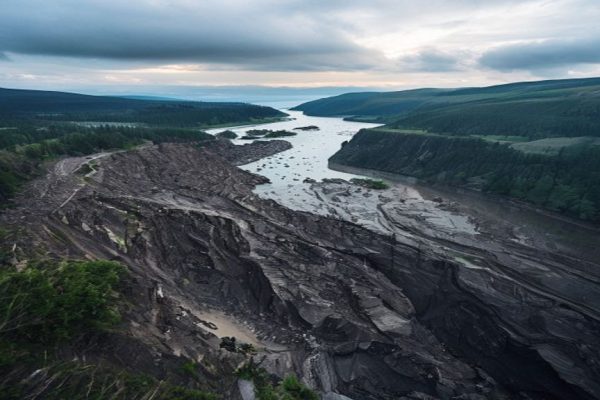
August 10, 2025, marked a devastating day for the tourism industry in Alaska as a massive landslide struck the Tracy Arm fjord, a popular destination for many cruise lines. The landslide, estimated to be around 1,578 feet tall, triggered a massive wave of debris that swept through the fjord, leaving a trail of destruction in its wake.
Background and Context
The Tracy Arm fjord is a 30-mile-long (48 km) fjord located in the Tongass National Forest, near Juneau, Alaska. The fjord is known for its breathtaking scenery, including towering glaciers, waterfalls, and majestic mountains. With its unique geography, the Tracy Arm fjord has become a favorite among tourists, who come to witness the stunning natural beauty of the area. However, the fjord’s fragile ecosystem and unstable terrain have always made it vulnerable to natural disasters.
According to local authorities, the landslide occurred at around 8:00 a.m. local time, sending a massive wave of debris crashing into the fjord. The impact was so severe that it was felt as far as 10 miles away, causing widespread panic among tourists and locals alike.
Reasons Behind the Landslide
Experts have attributed the landslide to a combination of factors, including heavy rainfall, melting glaciers, and unstable rock formations. The Tracy Arm fjord has been experiencing above-average rainfall in recent months, which has put additional pressure on the already fragile terrain. Additionally, the warmer temperatures have caused the glaciers to melt at an alarming rate, leading to the collapse of the rock formations.
The landslide has raised concerns about the long-term sustainability of the tourism industry in Alaska. Many cruise lines have relied heavily on the Tracy Arm fjord as a key destination, and the loss of this attraction could have significant economic implications for the region.
Future Implications and Repercussions
The landslide has sparked a heated debate about the environmental impact of tourism in Alaska. Many have questioned the long-term sustainability of the industry, citing concerns about the fragile ecosystem and the potential for further disasters.
In the short term, the landslide is expected to have a significant impact on the local economy. Many businesses, including tour operators and hospitality services, rely heavily on the tourist season, which typically runs from May to September. The loss of the Tracy Arm fjord as a key destination could lead to significant job losses and economic hardship for many families.
However, the landslide also presents an opportunity for the tourism industry to adapt and evolve. Many experts argue that the industry can benefit from a more sustainable and environmentally conscious approach, one that prioritizes the preservation of the natural environment and the well-being of local communities.
As the region begins to rebuild and recover, one thing is clear: the landslide has left an indelible mark on the tourism industry in Alaska. The Tracy Arm fjord may be closed for the foreseeable future, but the lessons learned from this disaster can be applied to the future of tourism in the region, ensuring a more sustainable and responsible approach to this vital industry.
Key Points
- The landslide occurred on August 10, 2025, at around 8:00 a.m. local time.
- The landslide was triggered by a combination of heavy rainfall, melting glaciers, and unstable rock formations.
- The Tracy Arm fjord is a popular destination for many cruise lines, and its loss could have significant economic implications for the region.
- The landslide has sparked a heated debate about the environmental impact of tourism in Alaska.
- The industry can benefit from a more sustainable and environmentally conscious approach, prioritizing the preservation of the natural environment and the well-being of local communities.






Leave a Reply