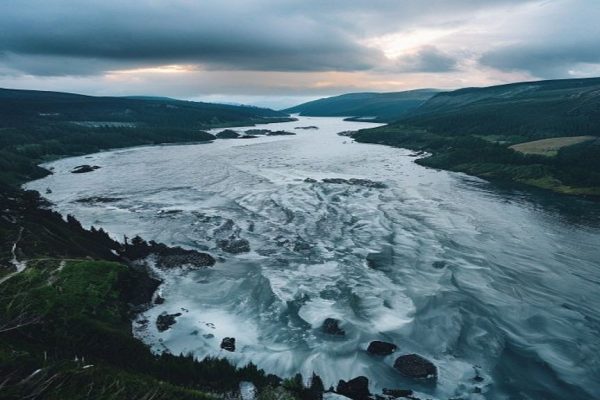
Landslide Triggers Catastrophic Mega-Tsunami in Alaska’s Tracy Arm Fjord
The early hours of August 10, 2025, brought catastrophic news from Alaska’s Tracy Arm fjord, a scenic and popular destination for many cruise lines. A massive landslide struck the area, triggering a 1,578-foot-tall (481-meter-tall) mega-tsunami that has left the region reeling.
The mega-tsunami, one of the largest ever recorded in the region, traveled at an estimated 300 miles per hour, causing widespread destruction and chaos in its wake. The impact of the landslide and subsequent tsunami has been described as ‘apocalyptic’ by local authorities, with eyewitnesses reporting scenes of utter devastation.
Background and Context: A Fjord Prone to Disasters
The Tracy Arm fjord, located in Tongass National Forest, has a history of geological instability. The fjord is a glacial valley carved by the movement of ice, and its steep-sided walls are prone to rockfalls and landslides. In recent years, the area has experienced an increase in seismic activity, which has raised concerns among scientists and local authorities.
Despite these warnings, the fjord remains a popular destination for cruise ships and tourists. The region’s unique natural beauty and diverse wildlife make it an attractive destination for travelers seeking adventure and exploration. However, the recent landslide and mega-tsunami serve as a stark reminder of the risks associated with visiting the area.
Future Implications and Concerns
The impact of the landslide and mega-tsunami on the local ecosystem and economy is still being assessed. The destruction caused by the tsunami has left many residents and businesses without power or access to basic services. Local authorities are working tirelessly to respond to the disaster and provide support to those affected.
The incident also raises concerns about the long-term stability of the fjord and the potential for future disasters. Scientists are working to understand the underlying causes of the landslide and the factors that contributed to the mega-tsunami. This research will be crucial in determining the best course of action to mitigate the risks associated with visiting the area.
- Key Points:
- The landslide and mega-tsunami have caused widespread destruction and chaos in Alaska’s Tracy Arm fjord.
- The fjord is prone to geological instability due to its glacial history and seismic activity.
- The incident raises concerns about the long-term stability of the fjord and the potential for future disasters.
Response and Recovery Efforts
The response to the disaster has been swift and coordinated, with local authorities, emergency services, and search and rescue teams working together to support those affected. The recovery efforts are expected to be long and complex, with many challenges still to come.
As the region begins the process of recovery, it is essential to remember the importance of respecting the natural environment and taking necessary precautions when visiting areas prone to disasters. The recent landslide and mega-tsunami serve as a poignant reminder of the power of nature and the need for responsible tourism practices.
The incident also highlights the importance of investing in disaster preparedness and mitigation measures. By working together, we can reduce the risks associated with visiting areas prone to disasters and ensure a safer and more sustainable future for all.
The recovery efforts are expected to take months, if not years, and will require a sustained commitment from local authorities, emergency services, and the wider community. As the region begins this journey, it is essential to remember the resilience and determination of those affected and to support them in any way possible.
The recent landslide and mega-tsunami in Alaska’s Tracy Arm fjord is a stark reminder of the power of nature and the importance of respecting the natural environment. As we move forward, it is essential to prioritize disaster preparedness, mitigation, and response efforts to ensure a safer and more sustainable future for all.
The incident also serves as a call to action for scientists, policymakers, and the wider community to work together to address the underlying causes of the landslide and mega-tsunami. By doing so, we can reduce the risks associated with visiting areas prone to disasters and ensure a more resilient and sustainable future for all.
As the region begins the process of recovery, it is essential to remember the importance of supporting those affected and investing in disaster preparedness and mitigation measures. The recent landslide and mega-tsunami in Alaska’s Tracy Arm fjord is a stark reminder of the power of nature and the need for responsible tourism practices.
The recovery efforts are expected to take months, if not years, and will require a sustained commitment from local authorities, emergency services, and the wider community. As the region begins this journey, it is essential to remember the resilience and determination of those affected and to support them in any way possible.
The recent landslide and mega-tsunami in Alaska’s Tracy Arm fjord is a stark reminder of the power of nature and the importance of respecting the natural environment. As we move forward, it is essential to prioritize disaster preparedness, mitigation, and response efforts to ensure a safer and more sustainable future for all.
The incident also serves as a call to action for scientists, policymakers, and the wider community to work together to address the underlying causes of the landslide and mega-tsunami. By doing so, we can reduce the risks associated with visiting areas prone to disasters and ensure a more resilient and sustainable future for all.






Leave a Reply