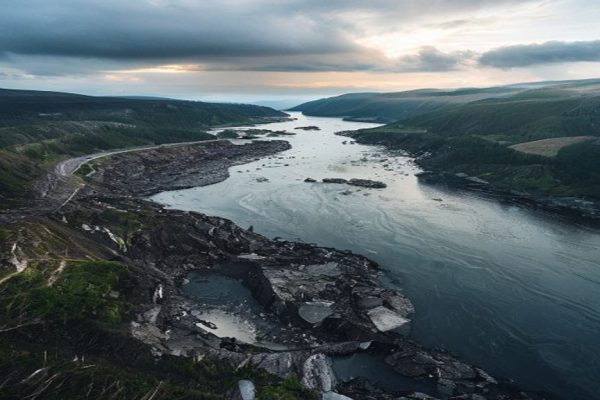
Catastrophic Landslide Strikes Alaska’s Tracy Arm Fjord, Triggers Mega-Tsunami
The morning of August 10, 2025, will be etched in the memories of those who witnessed the devastating landslide that struck Alaska’s Tracy Arm fjord, a popular destination for many cruise lines. The sheer scale of the disaster has left scientists and locals stunned.
The landslide, which occurred at approximately 9:00 AM local time, triggered a massive mega-tsunami that towered at an astonishing 1,578 feet (481 meters) tall. This is one of the largest landslides ever recorded in the region, and its impact on the environment and local communities is yet to be fully assessed.
Background and Context: A Popular Cruise Destination at Risk
The Tracy Arm fjord, located in the Tongass National Forest, is a breathtakingly beautiful and remote region known for its stunning glaciers, towering mountains, and lush vegetation. The fjord has become a coveted destination for cruise lines, attracting thousands of tourists each year who come to witness its untamed natural beauty.
However, the Tracy Arm fjord has been facing increasing concerns over climate change, which has led to rising sea levels, melting glaciers, and more frequent extreme weather events. These changes have made the region more vulnerable to landslides and other natural disasters.
Why This Landslide Matters: Climate Change and Glacier Collapse
The landslide at Tracy Arm fjord is a stark reminder of the devastating impact of climate change on our planet. Rising temperatures and melting glaciers are causing widespread instability in the region, making it more prone to catastrophic events like landslides.
As the climate continues to change, we can expect to see more of these types of disasters occurring around the world. It’s essential that we take immediate action to address the root causes of climate change and invest in research and development to better understand and prepare for these events.
The mega-tsunami triggered by the landslide has also raised concerns about the potential for glacier collapse in the region. As glaciers melt, they become more susceptible to collapse, which can have catastrophic consequences for nearby communities and ecosystems.
Future Implications: Tourism, Economic Growth, and Environmental Concerns
The landslide at Tracy Arm fjord has significant implications for the local tourism industry, which relies heavily on the region’s natural beauty and attractions. The disaster may lead to changes in the way tourists visit the region, potentially affecting the local economy and communities that depend on tourism.
On the other hand, the landslide highlights the need for increased investment in environmental conservation and disaster preparedness. It’s essential that governments, local authorities, and the tourism industry work together to develop strategies for managing the risks associated with climate change and natural disasters.
The long-term implications of the landslide are still unclear, but one thing is certain: the world needs to take action to address the root causes of climate change and mitigate the risks associated with natural disasters.
Key Points:
- The landslide at Tracy Arm fjord triggered a massive mega-tsunami, which towered at 1,578 feet (481 meters) tall.
- The landslide is a stark reminder of the devastating impact of climate change on our planet.
- The region is facing increasing concerns over climate change, which has led to rising sea levels, melting glaciers, and more frequent extreme weather events.
- The landslide has significant implications for the local tourism industry and the economy.
- The disaster highlights the need for increased investment in environmental conservation and disaster preparedness.
Image Prompt:
A dramatic image of the Tracy Arm fjord, with the remnants of the massive landslide visible in the background. The image should capture the scale and severity of the disaster, with a sense of urgency and danger. The sky should be dark and ominous, with a hint of mist or fog rolling in from the fjord. The image should be shot from a distance, with the fjord’s majestic beauty and tranquility juxtaposed with the devastating reality of the landslide. The image should be in a warm, golden light, with shadows and highlights accentuating the drama and emotion of the scene.






Leave a Reply