Massive Landslide Strikes Alaska’s Tracy Arm Fjord, Triggering a 1,578-Foot Mega-Tsunami
Background and Context
The Tracy Arm fjord, located in Alaska’s Tongass National Forest, is a breathtakingly beautiful and remote destination known for its stunning glaciers, towering cliffs, and abundant wildlife. It has been a popular destination for many cruise lines, attracting thousands of tourists and adventure seekers each year. However, the fjord’s remote and rugged terrain has made it prone to natural disasters, including landslides and earthquakes.
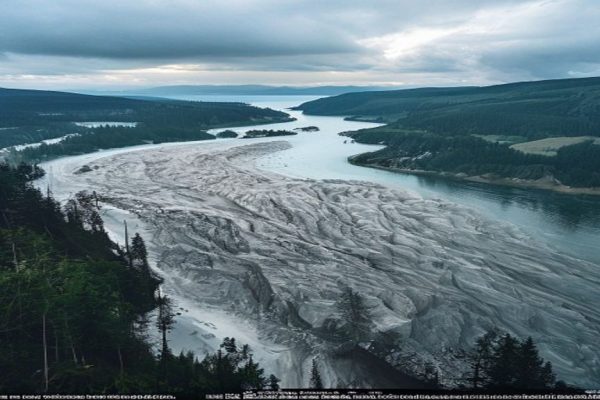
On the morning of August 10, 2025, a massive landslide struck the Tracy Arm fjord, triggering a 1,578-foot-tall (481-meter-tall) mega-tsunami that sent shockwaves throughout the region. The landslide, which is believed to have been triggered by a combination of heavy rainfall and unstable terrain, was so massive that it changed the course of the fjord’s waters, creating a massive wave that threatened the safety of nearby communities and cruise ships.
Reasons Behind the Landslide and Future Implications
The landslide in the Tracy Arm fjord is a stark reminder of the unpredictable nature of natural disasters and the importance of disaster preparedness and response. The region’s unique geography, with its steep cliffs and unstable terrain, makes it prone to landslides and other natural hazards. However, the recent landslide has raised concerns about the impact of climate change on the region’s geology and the potential for more frequent and severe natural disasters in the future.
The landslide has also highlighted the need for improved communication and coordination between local authorities, emergency responders, and tourists. The remote location of the fjord and the limited access to emergency services made it challenging for rescue teams to respond quickly and effectively to the disaster. As a result, there is a growing need for more robust emergency planning and response protocols to ensure the safety of tourists and local communities in the event of a natural disaster.
The landslide has also had significant economic implications for the region. The tourism industry, which is a major contributor to the local economy, has been severely impacted by the disaster. Many cruise lines have been forced to cancel their itineraries, and local businesses have seen a significant decline in revenue. As the region begins to recover from the disaster, there is a growing need for sustainable tourism practices that prioritize the safety and well-being of tourists and local communities.
Key Takeaways and Recommendations
- The landslide in the Tracy Arm fjord highlights the importance of disaster preparedness and response in remote and vulnerable regions.
- The disaster has raised concerns about the impact of climate change on the region’s geology and the potential for more frequent and severe natural disasters in the future.
- The landslide has highlighted the need for improved communication and coordination between local authorities, emergency responders, and tourists.
- The disaster has had significant economic implications for the region, with the tourism industry being severely impacted.
- There is a growing need for sustainable tourism practices that prioritize the safety and well-being of tourists and local communities.
In conclusion, the massive landslide that struck the Tracy Arm fjord on August 10, 2025, was a devastating event that highlights the importance of disaster preparedness and response in remote and vulnerable regions. As the region begins to recover from the disaster, there is a growing need for improved communication and coordination, sustainable tourism practices, and robust emergency planning and response protocols to ensure the safety and well-being of tourists and local communities.
Image Prompt: A massive landslide is seen in the background as a cruise ship sails through the Tracy Arm fjord, with a massive wave crashing against the ship in the foreground. The ship’s passengers are seen evacuating the ship as the situation unfolds.






Leave a Reply