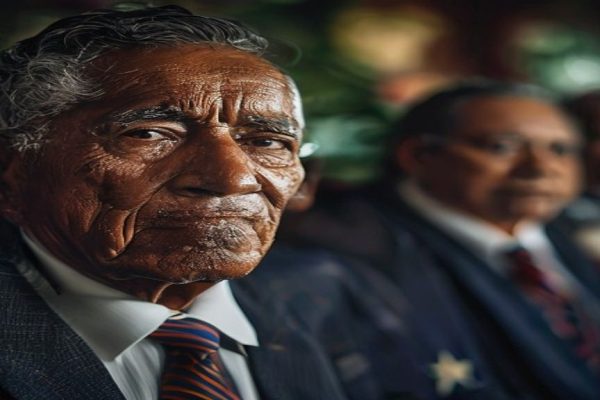
Latin America’s Aging Leadership: A Growing Concern
The recent decline in popularity of several older leaders in Latin America has sparked a heated debate about the region’s leadership crisis. The story is not receiving huge coverage in Latin America, but Brazil’s G1 calls it a ‘crisis’, while Mexico’s La Jornada says that the ‘popularity of the 63-year-old leader has continued to fall, in a trend that is repeated in other countries in the region.’
Latin America has a history of electing older leaders, with many countries in the region having a high average age of heads of state. This trend has raised concerns about the region’s ability to adapt to changing circumstances and address the pressing issues facing its people. The decline of older leaders is not just a matter of personal popularity, but also a reflection of the region’s aging population and the need for fresh perspectives and ideas.
The Causes of Latin America’s Leadership Crisis
So, what is driving the decline of older leaders in Latin America? There are several factors at play, including:
- The aging population: As the population of Latin America continues to age, younger voters are becoming increasingly disillusioned with the region’s traditional leaders.
- The rise of social media: Social media has given younger generations a platform to express themselves and demand change, making it easier for them to mobilize and challenge established leaders.
- The failure of economic policies: Many of the economic policies implemented by older leaders in Latin America have failed to deliver on promises of growth and prosperity, leading to widespread disillusionment.
These factors have created an environment in which younger leaders are more likely to succeed, and older leaders are more likely to fail. This shift is not limited to politics, but is also reflected in business and civil society, where younger leaders are increasingly taking on roles of power and influence.
The Future of Leadership in Latin America
So, what does the future hold for leadership in Latin America? There are several key trends that will shape the region’s politics and economy in the coming years, including:
- The rise of digital politics: Social media and other digital technologies are becoming increasingly important in Latin American politics, allowing leaders to connect directly with voters and bypass traditional media.
- The growing role of civil society: Civil society organizations are becoming more influential in Latin America, advocating for human rights and social justice, and holding leaders accountable for their actions.
- The need for economic reform: Latin America’s economic policies have failed to deliver on promises of growth and prosperity, and there is a growing recognition of the need for reform.
In conclusion, the decline of older leaders in Latin America is a symptom of a broader crisis facing the region. As the population continues to age and younger generations demand change, the need for fresh perspectives and ideas has never been greater. By understanding the causes of this crisis and the trends that will shape the region’s future, we can better prepare ourselves for the challenges ahead and create a more equitable and just society for all.
Image prompt: A photo of a young Latin American leader standing in front of a crowd of diverse protesters, with a cityscape in the background. The leader is holding a megaphone and wearing a confident expression, while the protesters are holding signs and banners with messages of hope and change. The image should convey a sense of energy, optimism, and determination, and should be shot in a vibrant and colorful style that reflects the diversity and beauty of Latin America.






Leave a Reply