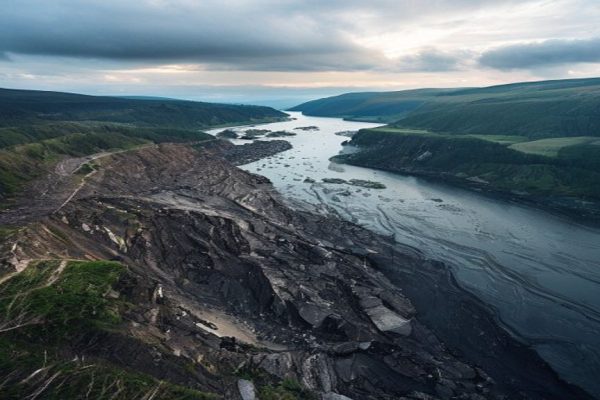
Alaska’s Tracy Arm Fjord Landslide: A Disaster of Unprecedented Proportions
On the morning of August 10, 2025, a massive landslide struck Alaska’s Tracy Arm fjord, a popular destination for many cruise lines. The landslide triggered a 1,578-foot-tall (481-meter-tall) mega-tsunami, which was witnessed by tourists on board a nearby cruise ship.
Background and Context
The Tracy Arm fjord, located in the Tongass National Forest, is a narrow and deep waterway that is prone to geological instability. The area is characterized by steep cliffs, glacial ice, and unstable rock formations, making it a high-risk zone for landslides and tsunamis.
Over the years, the fjord has experienced several smaller landslides and glacial calving events, which have been monitored by scientists and local authorities. However, the August 10 landslide was an unprecedented event, with its massive scale and devastating impact.
Reasons Behind the Landslide
The exact causes of the landslide are still being investigated, but experts point to a combination of factors that contributed to the disaster. These include:
- Climate change: Rising temperatures and melting glaciers have led to increased instability in the region.
- Geological factors: The area’s unique geology, with its steep cliffs and unstable rock formations, makes it prone to landslides.
- Human activity: The rapid growth of tourism in the area may have put additional pressure on the fragile ecosystem, leading to increased risk of landslides.
Future Implications and Consequences
The landslide has significant implications for the local community, tourism industry, and the environment. The fjord is a sensitive ecosystem, and the disaster has raised concerns about the long-term impact on the area’s biodiversity.
The incident has also highlighted the need for improved early warning systems and emergency preparedness measures in the region. Cruise lines and local authorities are working together to develop new protocols for responding to natural disasters and mitigating their impact on tourists and the environment.
The landslide has also sparked a national debate about the role of climate change in exacerbating natural disasters. As temperatures continue to rise, scientists warn that the frequency and severity of landslides and tsunamis will only increase, making it essential to take proactive measures to mitigate these risks.
Response and Recovery Efforts
The response to the landslide has been swift and coordinated, with emergency services, scientists, and local authorities working together to assess the damage and provide support to affected communities.
Cruise lines have suspended operations in the area until further notice, while local authorities are working to restore access to the fjord and support affected businesses. Scientists are also conducting research to better understand the causes of the landslide and develop new strategies for mitigating its impact.
As the region begins to recover from this disaster, it is clear that the landslide has had a profound impact on the community, the environment, and the global conversation about climate change and natural disasters.
The incident serves as a stark reminder of the importance of prioritizing disaster preparedness, climate resilience, and sustainable tourism practices in the face of an increasingly unpredictable and vulnerable planet.






Leave a Reply