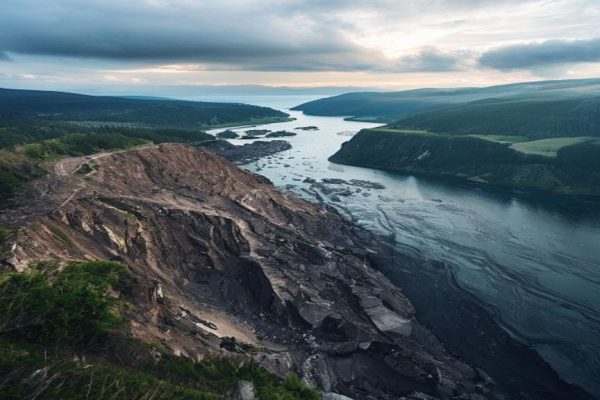
Massive Landslide Strikes Popular Cruise Destination in Alaska
On the morning of August 10, 2025, a devastating landslide struck Alaska’s Tracy Arm fjord, a picturesque and popular destination for many cruise lines. The catastrophic event sent shockwaves throughout the global travel industry, prompting concerns about the safety of passengers and the environmental impact of such disasters.
A Brief History of Tracy Arm Fjord
Tracy Arm fjord, located in the Tongass National Forest, is a 30-mile-long (48 km) narrow inlet of the Pacific Ocean. The fjord is known for its breathtaking scenery, with towering cliffs, glaciers, and an abundance of wildlife. It has been a favorite among cruise lines, offering passengers a glimpse into Alaska’s untamed wilderness. The fjord’s unique geography has made it prone to landslides and glacial calving, but the recent event was of unprecedented magnitude.
Causes and Consequences of the Landslide
The landslide is believed to have been triggered by a combination of factors, including heavy rainfall, thawing permafrost, and the natural instability of the fjord’s terrain. The resulting mega-tsunami, measuring 1,578 feet (481 meters) tall, inundated the surrounding area, causing widespread destruction and disruption to local ecosystems.
- The landslide has raised concerns about the vulnerability of Alaska’s coastline to climate change-induced landslides.
- The disaster has also highlighted the need for more stringent safety protocols and emergency response plans in the cruise industry.
- The environmental impact of the landslide, including the potential loss of marine life and habitats, is still being assessed.
Future Implications and Response Efforts
The landslide has sparked a renewed focus on the importance of environmental conservation and disaster preparedness in Alaska. The state government, cruise lines, and local communities are working together to implement measures to mitigate the risks associated with such events.
Key stakeholders are calling for increased investment in infrastructure, including the construction of seawalls and early warning systems, to protect against future landslides and tsunamis. The incident has also led to a re-evaluation of the cruise industry’s environmental practices, with many operators committing to more sustainable and responsible tourism practices.
As the impact of the landslide continues to unfold, one thing is clear: the incident serves as a stark reminder of the delicate balance between human activity and the natural environment. By learning from this catastrophic event, we can work towards creating a more sustainable and resilient future for Alaska’s communities and ecosystems.






Leave a Reply