Alaska’s Tracy Arm Fjord Hit by Catastrophic Landslide
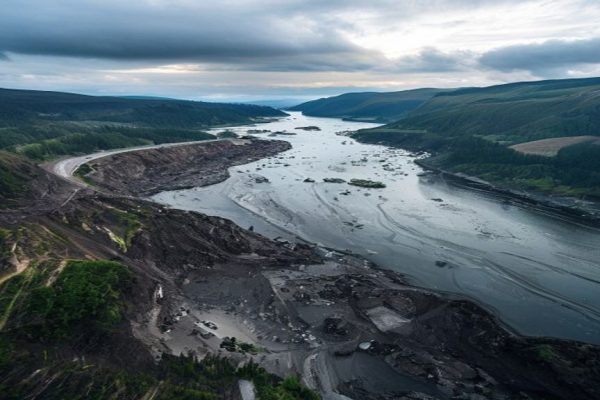
The remote and breathtaking Tracy Arm fjord in Alaska’s Tongass National Forest has been ravaged by a massive landslide, leaving a trail of destruction and disrupting the region’s tourism industry. On the morning of August 10, 2025, a colossal rockslide measuring 1,578 feet in height struck the fjord, causing widespread damage and concern for the safety of tourists and local communities.
Background and Context: Why Tracy Arm Fjord is a Popular Destination
Located near Juneau, Alaska’s capital city, the Tracy Arm fjord is renowned for its majestic scenery and unique geology. The fjord is a narrow, 30-kilometer-long inlet of the Pacific Ocean, surrounded by towering mountains and glaciers. Its breathtaking beauty and accessibility by sea have made it a favorite among cruise lines and adventure-seekers.
Tracy Arm fjord is particularly famous for its majestic Sawyer Glacier, a stunning example of glacial erosion that has carved out the fjord’s landscape over thousands of years. Visitors can witness the breathtaking spectacle of glacier calving, where massive chunks of ice break off the glacier and crash into the water below.
Consequences of the Landslide: Impact on Tourism and the Environment
The landslide has had a devastating impact on the region’s tourism industry, which is a significant contributor to Alaska’s economy. Many cruise lines have altered their itineraries or canceled their visits to the Tracy Arm fjord, affecting thousands of passengers and crew members.
The environmental impact of the landslide is also a cause for concern. The massive rockslide has altered the fjord’s ecosystem, potentially disrupting the habitats of local wildlife such as bears, whales, and sea lions. The increased sedimentation in the fjord may also affect the water quality and marine life.
Future Implications: Recovery Efforts and Long-Term Consequences
The recovery efforts following the landslide are expected to be extensive and costly. The US National Park Service, which manages the Tongass National Forest, has launched an investigation into the cause of the landslide and is working with local authorities to assess the damage and develop a recovery plan.
The long-term consequences of the landslide are still uncertain, but it is likely to have a lasting impact on the region’s tourism industry and ecosystem. The incident highlights the importance of responsible tourism practices and the need for conservation efforts to protect Alaska’s fragile wilderness.
The landslide has also raised concerns about the increasing frequency and severity of natural disasters in Alaska, which is warming at a rate twice as fast as the global average. Climate change is expected to continue altering the state’s ecosystems and infrastructure, and the Tracy Arm fjord landslide serves as a stark reminder of the need for proactive measures to mitigate these impacts.
Key Points:
- The massive landslide struck Alaska’s Tracy Arm fjord on August 10, 2025, affecting thousands of tourists and cruise line passengers.
- The landslide has disrupted the region’s tourism industry, which is a significant contributor to Alaska’s economy.
- The environmental impact of the landslide is a cause for concern, potentially disrupting local wildlife habitats and water quality.
- The recovery efforts are expected to be extensive and costly, with the US National Park Service leading the investigation and recovery plan.
- The landslide highlights the importance of responsible tourism practices and the need for conservation efforts to protect Alaska’s fragile wilderness.
The Tracy Arm fjord landslide is a sobering reminder of the power of nature and the importance of proactive measures to mitigate the impacts of climate change. As the world continues to grapple with the consequences of global warming, Alaska’s wilderness is a stark reminder of the need for responsible stewardship and conservation.
Image prompt: A dramatic aerial shot of the Tracy Arm fjord, with the massive landslide visible in the foreground. The Sawyer Glacier can be seen in the distance, with icebergs floating in the fjord below.






Leave a Reply