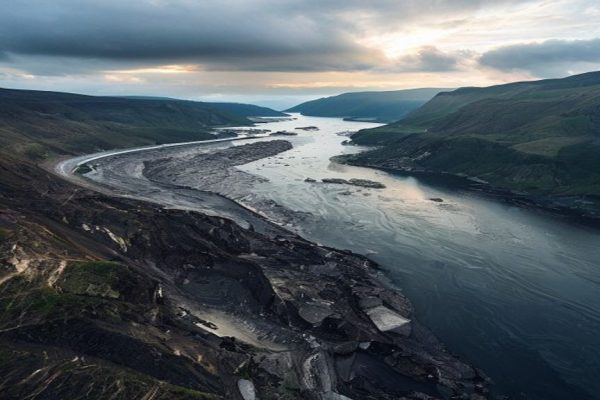
Tracy Arm Fjord Landslide: A Catastrophe Strikes Alaska’s Fjord
The morning of August 10, 2025, will be etched in the memories of cruise line operators and tourists alike, as a massive landslide struck Alaska’s Tracy Arm fjord. The event sent shockwaves across the globe, with far-reaching consequences for the cruise industry, environmentalists, and local communities.
The Science Behind the Landslide
Located in the Tongass National Forest, Tracy Arm fjord is a 30-mile (48 km) long, narrow inlet of the Pacific Ocean. The fjord’s unique geology and climate make it prone to landslides, particularly during the summer months when snowmelt and heavy rainfall combine to create unstable terrain. The landslide, triggered by a combination of these factors, resulted in a 1,578-foot-tall (481-meter-tall) mega-tsunami that ravaged the fjord’s shoreline.
Experts from the United States Geological Survey (USGS) and the National Oceanic and Atmospheric Administration (NOAA) have been studying the area for decades. They have identified several factors contributing to the landslide, including:
- Tectonic activity: The region is prone to earthquakes and volcanic activity, which can destabilize the terrain.
- Glacier movement: The fjord’s glaciers are retreating at an alarming rate, exposing unstable terrain and increasing the risk of landslides.
- Climatic factors: Rising temperatures and changing precipitation patterns are exacerbating the risk of landslides in the region.
The Impact on the Cruise Industry
The landslide has sent shockwaves through the cruise industry, with many lines canceling or rerouting their itineraries to avoid the affected area. The economic implications are significant, with estimates suggesting losses in the millions of dollars. The long-term impact on the industry is uncertain, but it is likely to be substantial.
Cruise lines are now facing a daunting task: reassessing their safety protocols and contingency plans to mitigate the risks associated with navigating the Tracy Arm fjord. This may involve investing in advanced navigation systems, conducting regular risk assessments, and developing emergency response plans.
The Human Cost and Environmental Concerns
The landslide has also raised concerns about the human cost and environmental impact. The fjord is home to a diverse range of wildlife, including bears, whales, and salmon. The landslide has disrupted the delicate ecosystem, and it is unclear how long it will take for the environment to recover.
Locals in the nearby town of Juneau are also worried about the impact on their community. Many residents rely on tourism for their livelihood, and the disruption to cruise operations has put their businesses at risk.
Looking Ahead: A New Era for the Cruise Industry
The Tracy Arm landslide is a wake-up call for the cruise industry, highlighting the need for greater transparency, accountability, and sustainability. As the industry navigates this new era, it is crucial that it prioritizes safety, environmental stewardship, and responsible business practices.
The incident also raises questions about the role of technology in mitigating risks and preventing disasters. Advanced sensors, navigation systems, and data analytics can play a critical role in identifying and responding to potential threats.
Conclusion
The Tracy Arm landslide is a tragic reminder of the power of nature and the importance of responsible human activity. As we move forward, it is essential that we prioritize the well-being of both people and the planet. The cruise industry has a unique opportunity to emerge from this crisis stronger, more resilient, and more committed to sustainability.
The world will be watching as the industry takes steps to address the challenges posed by the landslide. One thing is certain: the consequences of inaction will be severe, and the rewards of proactive leadership and innovation will be immeasurable.






Leave a Reply