Tesla’s Full Self-Driving (FSD) Update: A Game-Changer for Autonomous Cars
Tesla’s Full Self-Driving (FSD) technology has been a subject of interest for car enthusiasts and tech aficionados alike. The company’s ambitious goal is to make its vehicles fully autonomous, allowing owners to enjoy a hands-free driving experience. However, a recent update has left many HW3 owners wondering if they’ll ever get to experience the full potential of FSD.
What is FSD, and Why is it a Big Deal?
Full Self-Driving (FSD) is an advanced driver-assistance system (ADAS) developed by Tesla. It uses a combination of cameras, sensors, and software to enable vehicles to navigate roads and traffic without human intervention. FSD is designed to make driving safer and more convenient, reducing the risk of accidents caused by human error.
The technology has been in development for several years, with Tesla continuously updating and refining its capabilities. However, the latest update has sparked controversy among HW3 owners, who are wondering if they’ll ever get to experience the full benefits of FSD.
The HW3 Conundrum: Why Some Tesla Owners May Not Get FSD
Tesla’s FSD update is primarily targeted at vehicles equipped with the company’s latest hardware, known as HW4. This new hardware is designed to provide improved processing power, camera resolution, and sensor accuracy, enabling more advanced autonomous capabilities.
However, HW3 owners are still running on the older hardware, which may not be compatible with the latest FSD update. While Tesla has promised to support HW3 vehicles in the future, the company has not provided a clear timeline for when or if FSD will be available for these owners.
This has left many HW3 owners feeling frustrated and disappointed, as they’re not sure when or if they’ll get to experience the full potential of FSD. Some have taken to social media to express their concerns, with many calling for Tesla to provide a clearer roadmap for HW3 owners.
The Future of Autonomous Cars: Implications of Tesla’s FSD Update
The FSD update has significant implications for the autonomous car industry as a whole. While Tesla’s technology is not yet perfect, it represents a major step forward in the development of autonomous vehicles.
However, the controversy surrounding HW3 owners highlights the challenges that car manufacturers face when introducing new technologies. It also underscores the need for clear communication and transparency with customers, particularly when it comes to complex topics like autonomous driving.
As the industry continues to evolve, it’s likely that we’ll see more advanced autonomous capabilities become available in the future. However, for now, HW3 owners are left wondering if they’ll ever get to experience the full potential of FSD.
Key points to consider:
- Tesla’s FSD update is primarily targeted at vehicles equipped with HW4.
- HW3 owners may not get FSD due to compatibility issues with the older hardware.
- Tesla has promised to support HW3 vehicles in the future, but a clear timeline has not been provided.
- The controversy surrounding HW3 owners highlights the challenges of introducing new technologies in the autonomous car industry.
As the industry continues to evolve, it’s essential to stay informed about the latest developments in autonomous car technology. By following the latest news and updates, you’ll be better equipped to navigate the complex landscape of autonomous driving.
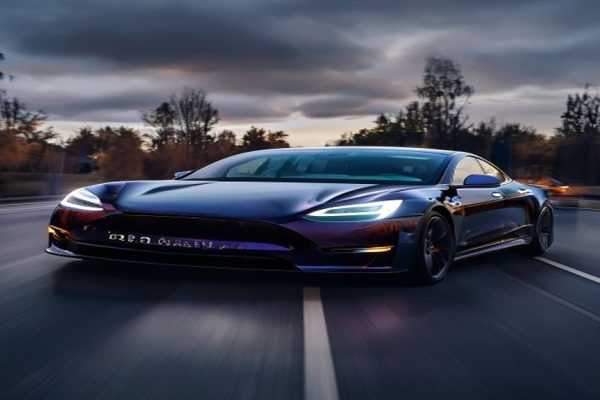
Image Prompt: A futuristic illustration of a Tesla vehicle driving on a highway, with a cityscape in the background. The vehicle should be depicted in a sleek, high-tech design, with a clear focus on the advanced technology and autonomous capabilities of the vehicle. The image should convey a sense of innovation and progress, while also highlighting the challenges and complexities of introducing new technologies in the autonomous car industry.






Leave a Reply