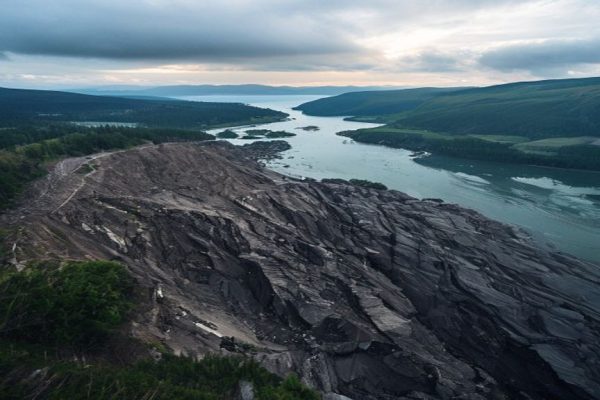
Massive Landslide in Alaska’s Tracy Arm Fjord: A Disaster of Epic Proportions
On the morning of August 10, 2025, a catastrophic landslide struck Alaska’s Tracy Arm fjord, a breathtaking and popular destination for many cruise lines and adventure seekers. The landslide, which occurred at approximately 6:00 AM local time, triggered a massive avalanche of ice and rock that sent shockwaves throughout the region.
Background and Context
The Tracy Arm fjord, located in the Tongass National Forest, is a 30-mile-long (48-kilometer-long) glacial fjord that has been a favorite among tourists and scientists alike for decades. The fjord is known for its stunning scenery, featuring towering glaciers, majestic waterfalls, and an array of wildlife, including whales, bears, and eagles. However, the region has also been prone to landslides and avalanches due to its unique geology and climate.
The landslide that occurred on August 10, 2025, is believed to have been triggered by a combination of factors, including heavy rainfall, warm temperatures, and the gradual melting of the fjord’s glaciers. As the ice and rock tumbled down the fjord, they created a massive wall of debris that blocked the path of the nearby Sawyer Glacier, one of the most prominent features of the fjord.
Impact and Aftermath
The impact of the landslide has been devastating, with several cruise ships and tour boats forced to alter their itineraries or evacuate the area. Local authorities and emergency services have been working tirelessly to respond to the disaster, with rescue teams and equipment being dispatched to the affected area.
The landslide has also had a significant impact on the local ecosystem, with concerns raised about the potential effects on the fjord’s fragile marine life. Scientists are working to assess the damage and develop strategies to mitigate the long-term effects of the disaster.
Future Implications and Concerns
The landslide in Alaska’s Tracy Arm fjord serves as a stark reminder of the potential risks and consequences associated with climate change. As global temperatures continue to rise, the likelihood of such disasters increases, posing significant threats to both human populations and the natural environment.
The incident has sparked renewed calls for greater investment in disaster preparedness and emergency response infrastructure, as well as a deeper understanding of the complex relationships between climate change, geology, and ecosystems.
- The landslide in Alaska’s Tracy Arm fjord is a disaster of epic proportions, with significant implications for the local community, tourism industry, and the environment.
- The incident highlights the importance of disaster preparedness and emergency response infrastructure in regions prone to natural disasters.
- The landslide serves as a stark reminder of the potential risks and consequences associated with climate change.
In the wake of this disaster, it is essential to prioritize the safety and well-being of those affected and to work towards mitigating the long-term effects on the environment. As the world grapples with the challenges of climate change, the landslide in Alaska’s Tracy Arm fjord serves as a poignant reminder of the importance of responsible stewardship and proactive planning.
Conclusion
The massive landslide in Alaska’s Tracy Arm fjord is a tragic reminder of the power and unpredictability of nature. As we navigate the complexities of climate change and the increasing frequency of natural disasters, it is essential to prioritize the well-being of both human populations and the natural environment.
We will continue to provide updates on this developing story as more information becomes available.






Leave a Reply