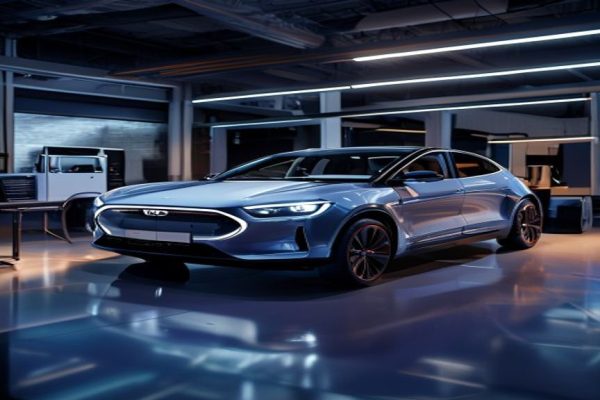
Inside the Lab Where Ford is Revolutionizing Affordable EVs
In the pursuit of making electric vehicles (EVs) more accessible to the masses, automakers are continuously exploring new technologies and manufacturing strategies. Recently, Ford has been at the forefront of this effort, with a renewed focus on unibodies, zonal architecture, and shorter wiring harnesses. These innovative approaches hold the potential to significantly reduce production costs, making EVs more affordable for consumers.
The Evolution of EV Manufacturing
The shift towards electric vehicles has been gaining momentum over the years, driven by growing concerns about climate change, air pollution, and energy independence. As a result, automakers are investing heavily in EV technology, with many pledging to phase out internal combustion engines in the coming decades. However, the high cost of EVs remains a significant barrier to adoption, pricing them out of reach for many potential buyers.
To bridge this gap, Ford and other manufacturers are exploring alternative manufacturing strategies. The use of unibodies, for instance, allows for the construction of a body and chassis as a single unit, reducing the number of components and associated costs. Zonal architecture, another innovative approach, involves designing EVs with modular electrical systems, making it easier to upgrade or replace individual components. These strategies, combined with shorter wiring harnesses, can lead to significant cost savings and improved efficiency.
The Benefits of Affordable EVs
The potential impact of Ford’s innovative approaches on the EV market cannot be overstated. By making EVs more affordable, manufacturers can increase their appeal to a broader audience, driving adoption and contributing to a cleaner, more sustainable transportation infrastructure. Moreover, the reduced production costs can lead to increased profitability for automakers, allowing them to invest further in EV technology and research.
Furthermore, the widespread adoption of EVs can have a positive impact on the environment. With the majority of greenhouse gas emissions associated with transportation, a shift towards electric vehicles can significantly reduce carbon emissions and help mitigate the effects of climate change. Additionally, the increased demand for renewable energy sources can drive innovation and investment in clean energy technologies.
What’s Next for Ford and the EV Industry?
As Ford continues to push the boundaries of affordable EV production, other manufacturers are likely to follow suit. The industry’s shift towards electric vehicles is an irreversible trend, and the innovations being developed today will shape the future of transportation. As the demand for EVs grows, we can expect to see further advancements in technology, materials, and manufacturing strategies.
In the near future, we can anticipate the introduction of more affordable EV models, with prices competitive with their gasoline-powered counterparts. This will be made possible by the increasing efficiency and reduced costs associated with EV production. As a result, consumers will have more options when choosing their next vehicle, allowing them to make more informed decisions about their transportation needs.
The impact of Ford’s innovative approaches will be far-reaching, extending beyond the automotive industry. As the demand for EVs grows, it will drive innovation in related fields, such as energy storage, renewable energy, and sustainable materials. This, in turn, will lead to a more sustainable and environmentally friendly transportation infrastructure, benefiting not only consumers but also the planet as a whole.
Conclusion
The pursuit of affordable EVs is a complex and multifaceted challenge. Ford’s innovative approaches to unibodies, zonal architecture, and shorter wiring harnesses are significant steps towards addressing this issue. As the industry continues to evolve, we can expect to see further advancements in technology and manufacturing strategies. The future of transportation is electric, and Ford is at the forefront of this revolution.






Leave a Reply