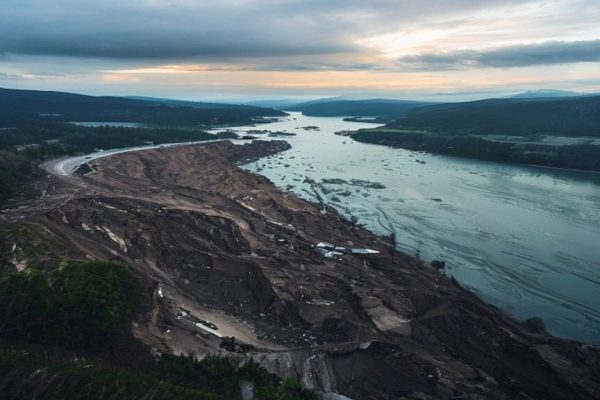
Landslide Devastation: The Impact on Alaska’s Tracy Arm Fjord
The morning of August 10, 2025, will be etched in the memories of residents and tourists alike in Alaska’s Tracy Arm fjord. A massive landslide struck the region, causing widespread destruction and chaos. The landslide, estimated to be over 1,578 feet tall, threatened the stability of the surrounding area and raised concerns about the safety of nearby cruise lines.
Background and Context: What Led to the Landslide?
The Tracy Arm fjord, located in the Tongass National Forest in Alaska, is a popular destination for many cruise lines due to its breathtaking natural beauty and unique wildlife. However, the region’s geology has been a concern for scientists and experts for years. The fjord’s terrain is characterized by steep cliffs, glaciers, and unstable rock formations, making it prone to landslides.
According to experts, the recent landslide was likely triggered by a combination of factors, including heavy rainfall, thawing permafrost, and human activity. The region has experienced an increase in rainfall in recent years, which has put additional pressure on the already unstable terrain. Additionally, the presence of human activity in the area, such as mining and logging, may have contributed to the landslide by destabilizing the rock formations.
Future Implications: What Does This Mean for the Cruise Industry?
The landslide has sent shockwaves through the cruise industry, with many lines canceling or postponing their itineraries in the region. The incident highlights the need for the industry to reassess its risk management strategies and invest in more robust safety measures.
Cruise lines will need to work closely with authorities and experts to determine the extent of the damage and develop a plan to safely navigate the region. This may involve rerouting itineraries, investing in new safety technologies, or even abandoning the Tracy Arm fjord as a destination altogether.
The incident also raises questions about the long-term sustainability of the cruise industry in Alaska. As climate change continues to impact the region, the industry must adapt to the changing environmental conditions and ensure that its operations are environmentally responsible and sustainable.
Key Points:
- The landslide struck Alaska’s Tracy Arm fjord on August 10, 2025, threatening the stability of the surrounding area and the safety of nearby cruise lines.
- The landslide was likely triggered by a combination of factors, including heavy rainfall, thawing permafrost, and human activity.
- The incident highlights the need for the cruise industry to reassess its risk management strategies and invest in more robust safety measures.
- The landslide raises questions about the long-term sustainability of the cruise industry in Alaska and the need for environmentally responsible and sustainable operations.
Conclusion:
The landslide in Alaska’s Tracy Arm fjord serves as a stark reminder of the fragility of our natural environment and the importance of responsible human activity. As the cruise industry continues to grow and evolve, it must prioritize sustainability and safety to avoid similar incidents in the future.
The incident also highlights the need for greater investment in climate change research and mitigation efforts. By working together, we can reduce the risks associated with climate change and ensure a safer, more sustainable future for all.
As the situation continues to unfold, one thing is certain: the world is watching, and the industry will be forced to adapt to the changing environmental conditions.






Leave a Reply